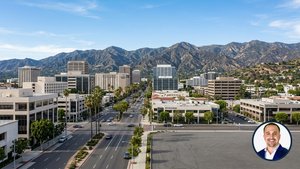




Glendora, CA · Seller Guide · 2026
Selling a Home in Glendora in 2026
Foothill premium. GUSD school edge. Glendora Village appeal. Here is what the market actually looks like for sellers in 2026 - from pricing zone breakdown to timing strategy and fire insurance realities.
Selling a home in Glendora in 2026 means working three distinct advantages: a school district that draws families from Azusa and Covina willing to pay a premium, a foothill setting that commands 8 to 12 percent more for the right parcels, and a walkable Village core that no neighboring city can replicate. The key is knowing which zone your home sits in - and pricing it accordingly.
What I tell Glendora sellers after 13 years in the San Gabriel Valley: the mistake is treating Glendora as one market. It is three. A flat south-side home near Route 66 and the Metrolink station targets a completely different buyer than a foothill property near Glendora Mountain Road - and pricing strategy, staging, and marketing copy all shift accordingly. Get the zone wrong and you either leave money on the table or sit overpriced while similar homes close around you.
This guide covers the 2026 pricing landscape by zone, buyer profiles, fire insurance realities for foothill sellers, timing around Route 66 Rendezvous, GUSD school positioning, and a five-mistake list that costs Glendora sellers money every season. If you want specific numbers for your address, call or text me directly at (213) 262-5092.
🏠 FREE Weekly Workshop — First-Time Buyer Blueprint
Learn exactly how to buy a home in LA — prices, process, and pitfalls. Live every week, totally free.
Reserve Your Free Seat →In This Guide
Glendora's Three Pricing Zones: Which One Is Yours?
The single biggest variable in a Glendora sale is zone. North of Foothill Boulevard, as homes climb toward Glendora Mountain Road and the Angeles National Forest boundary, prices shift into a different conversation entirely. South of Route 66 near the Metrolink station, you are dealing with a value-oriented buyer chasing affordability and transit access. The Village core sits in its own category - walkable, charming, and emotionally driven in a way that pure price-per-square-foot analysis misses.
In 13 years of working the San Gabriel Valley, I have seen sellers lose $80,000 by applying flat-market pricing to foothill lots - and I have seen the opposite, where a Village-core seller demanded foothill money and sat for 90 days. Zone awareness is the foundation. Everything else - staging, timing, marketing language - flows from it.
Who Buys Homes in Glendora - and What They Are Looking For
Knowing your likely buyer is the most underused tool in a Glendora listing. Different buyer profiles respond to different marketing language, staging choices, and offer structures. When I work with Glendora sellers, I build the marketing plan around the most probable buyer for that specific home - not a generic "qualified buyer" placeholder.
Here are the four buyer profiles I see most consistently in Glendora in 2026, along with the triggers that get them to write offers.
Fire Insurance for Foothill Glendora Sellers: What You Must Know Before Listing
Properties near Glendora Mountain Road and the foothill corridor sit in Very High Fire Hazard Severity Zones as designated by CAL FIRE. This is not a dealbreaker - Glendora foothill homes sell regularly - but it is a disclosure requirement and an increasingly important piece of transaction management that sellers and their agents need to handle proactively, not reactively.
In 2025 and into 2026, fire insurance availability across the SGV foothill corridor tightened significantly following Southern California's fire season. Buyers in VHFHSZ zones now routinely request proof of insurability before writing serious offers - not just after acceptance. If your buyer cannot insure the property, the deal dies. Sellers who have their insurance documentation organized before listing eliminate one of the most common last-minute deal killers in the foothill market.
VHFHSZ Disclosure Requirement
California law requires sellers to disclose if a property is located in a Very High Fire Hazard Severity Zone. This applies to VHFHSZ parcels under both CAL FIRE jurisdiction (State Responsibility Area) and local agency designation. Failure to disclose exposes sellers to post-close liability. Your listing agent should confirm your parcel's VHFHSZ status before the listing goes live.
Foothill Seller Advantages
- 8 to 12 percent price premium over comparable flat homes
- Lifestyle appeal that attracts motivated, pre-qualified buyers
- Limited supply of true foothill inventory keeps competition low
- Larger lots create ADU potential that mid-city homes lack
- Mountain Road proximity is a luxury differentiator no other SGV city matches at this price point
Foothill Seller Realities
- VHFHSZ disclosure required and must be documented before listing
- Buyers increasingly require proof of insurability before writing offers
- Some lenders apply heightened underwriting for VHFHSZ properties
- Slope and drainage issues on hillside lots require inspection prep
- Fire access road compliance can surface in escrow if not pre-addressed
Foothill Seller Pre-Listing Fire Insurance Checklist
- Confirm parcel VHFHSZ status via CAL FIRE map or LA County FHSZ tool before listing
- Gather current homeowners insurance declaration page - confirm coverage is active and note carrier
- If using FAIR Plan, note this for your agent - buyers need to plan for supplemental coverage
- Verify defensible space compliance (100-foot clearance zones) and document with photos
- Confirm fire access roads are clear and meet any local fire department requirements
- Prepare to provide insurance documentation to serious buyers before inspection period
- Discuss pricing strategy with your agent - VHFHSZ status can affect appraisal assumptions
When to List in Glendora: Route 66 Rendezvous, Spring Season, and the GUSD Calendar
Glendora has two distinct selling windows. The primary window is spring - March through May - when families motivated by GUSD enrollment deadlines are actively searching. The secondary window is less obvious and more Glendora-specific: the Route 66 Rendezvous season in September and October brings out-of-area buyers through the city in a way that no other annual event in the SGV replicates. I have had buyers attend the Rendezvous and call me within a week to schedule home tours in Glendora.
The practical implication for sellers: if you are targeting the fall window, start staging in August and aim for a September listing. Out-of-area buyers who discover Glendora's Village character during Rendezvous weekend are in an emotionally activated state - they want to act. Having your home listed and ready when that energy peaks is a timing advantage that most agents in the market do not think to plan for.
The GUSD Enrollment Timing Play
Glendora Unified enrollment windows for kindergarten and middle school transitions typically open in January and February. Families who want to be in their new Glendora home before the start of the next school year need to close by June at the latest - which means they need to be in escrow by April or May. Listing in March puts your home squarely in front of that motivated pool. Listing in June means you have already missed the enrollment-driven buyers for that school year cycle.
Glendora vs. San Dimas and La Verne: Why the Premium Exists
Glendora sellers sometimes face pushback on pricing from buyers who compare it to San Dimas or La Verne. Those are legitimate neighboring cities with their own appeal - but the data supports a Glendora premium of 5 to 8 percent, and understanding why that premium exists helps you hold your price in negotiation rather than giving it away.
The two most significant drivers of the premium are GUSD school ratings and Glendora Village's commercial character. San Dimas and La Verne have good schools and pleasant neighborhoods - but neither has a GreatSchools profile at the 8 to 9 out of 10 level that GUSD's best schools hold, and neither has a comparable walkable downtown boutique district with the Route 66 heritage identity that Glendora Village carries.
| Factor | Glendora | San Dimas | La Verne |
|---|---|---|---|
| Median SFR Price (2026 est.) | $950K-$1.1M | $880K-$980K | $870K-$960K |
| Top School Rating (GreatSchools) | 8-9/10 (GUSD) | 7/10 | 6-7/10 (Bonita USD) |
| Walkable Downtown | Yes - Glendora Village | Limited | University Ave. (limited) |
| Metrolink Access | Yes - San Bernardino Line | Yes - San Bernardino Line | No |
| Foothill Premium Potential | 8-12% (GMR corridor) | Moderate (Puddingstone area) | Limited foothill inventory |
| Premium vs. Glendora | Baseline | -5% to -8% | -5% to -8% |
| Annual Heritage Event | Route 66 Rendezvous | Western Days (smaller) | Community events (smaller) |
Hold Your Price with Data
When a buyer agent submits a low offer citing San Dimas comps, your listing agent should have the school-rating differential and Glendora Village walkability data ready as a documented counterpoint. The premium is defensible with data - but only if your agent has done the prep work. I include a competitive market analysis for the three-city comparison in every Glendora listing package I prepare.
What Will You Net? Estimated Proceeds at Three Glendora Price Points
Gross sale price and net proceeds are two different numbers. The gap between them is the sum of commissions, transfer taxes, escrow fees, title insurance, and any seller credits negotiated during escrow. I put together this table so Glendora sellers have a realistic starting point before we talk strategy. These are estimates - your actual numbers will depend on your specific loan balance, any repairs negotiated, and how the commission structure is set up.
Note that Glendora is an independent city in Los Angeles County - not within the City of Los Angeles. That means Measure ULA (the so-called Mansion Tax on properties over $5M in the City of LA) does not apply. You pay standard LA County transfer taxes only: $1.10 per $1,000 of sale price.
| Item | $850,000 Sale | $1,050,000 Sale | $1,350,000 Sale |
|---|---|---|---|
| Gross Sale Price | $850,000 | $1,050,000 | $1,350,000 |
| Commission (est. 5%) | -$42,500 | -$52,500 | -$67,500 |
| LA County Transfer Tax ($1.10/$1K) | -$935 | -$1,155 | -$1,485 |
| Escrow and Title Fees (est.) | -$8,500 | -$10,000 | -$12,500 |
| Home Warranty (optional) | -$600 | -$600 | -$650 |
| Seller Credits (if any) | -$0 to -$10,000 | -$0 to -$12,000 | -$0 to -$15,000 |
| NHD Report (est.) | -$150 | -$150 | -$150 |
| Estimated Net (before mortgage payoff) | ~$797,315 | ~$985,595 | ~$1,267,715 |
Measure ULA Does Not Apply to Glendora
Measure ULA is a City of Los Angeles ordinance. Glendora is an independent city in LA County - incorporated, with its own city government. You will pay LA County Documentary Transfer Tax ($1.10 per $1,000) but not the City of LA Measure ULA surcharge (which adds $4.50 per $1,000 for properties over $5M and $5.50 per $1,000 over $10M). For most Glendora sellers this is a non-issue at current price points, but it is worth knowing if you are comparing net proceeds with friends selling in LA proper.
Pre-Sale Preparation in Glendora: What to Fix and What to Skip
Glendora's housing stock spans from post-war citrus-era construction to newer foothill builds, and the prep strategy shifts by era. In a 1958 ranch home in mid-Glendora, buyers expect to find original galvanized plumbing and a 100-amp electrical panel - these are not surprises, but they are negotiating points if you do not address them upfront. In a newer foothill home, buyers at the $1.2M to $1.5M price point expect move-in-ready condition with no major deferred maintenance.
What I tell my Glendora sellers: spend money on the things buyers see in the first 10 seconds (exterior paint, landscaping, front door hardware) and the things that reliably cause renegotiation in inspection (HVAC, water heater age, any visible deferred maintenance). Skip the kitchen remodel unless you have dated 1980s finishes that genuinely suppress the comp baseline - buyers in the foothill and mid-market tiers often prefer to make their own kitchen choices.
- Fresh exterior paint or at minimum touch-up - first impression drives the showing experience
- Front yard landscaping cleanup and edging - Glendora's tree-lined streets set an expectation
- Service or replace HVAC if over 15 years old - SGV summer heat makes this a buyer priority
- Water heater age check - if over 10 years, buyers will flag it in inspection and request credit
- Address any visible roof wear before photos are taken - SGV buyers are trained to spot this
- Galvanized plumbing in citrus-era homes: consider scoping the sewer line ($150 well spent to avoid a $15,000 renegotiation)
- Electrical panel upgrade if under 150 amps and you are in the $900K+ market segment
- Deep clean all surfaces including baseboards, windows, and ceiling fans
- Declutter every room - Glendora's older homes read smaller when overfurnished
- Professional photos including drone/aerial for foothill and view properties
- Stage or at minimum furniture-edit primary bedroom and living room
- For foothill properties: defensible space documentation and fire insurance confirmation
Five Mistakes Glendora Sellers Make (and How to Avoid Them)
These are the patterns I see repeat across Glendora listings every season. Most of them come from applying generic SGV advice to a city with a more specific set of market dynamics. The fix for each is not complicated - but you need to know the mistake is coming before it costs you.
Pricing Without Zone Awareness
Using citywide Glendora median price as the starting point for a foothill property - or applying foothill pricing logic to a flat south-side home. The three-zone structure is real and the price differential is substantial. A $200,000 spread between Village and foothill is not unusual for ostensibly similar square footage.
Not Addressing Fire Insurance Before Listing
Foothill sellers who wait for buyers to raise the insurance question are playing defense at the worst moment - after an offer is written but before the buyer has secured coverage. Have your documentation ready before listing goes live. Buyers who cannot insure the property will cancel, and you lose two to three weeks of market time.
Burying the GUSD Advantage
Listing descriptions that mention schools as a footnote rather than a headline feature. For the school-chasing buyer segment - a significant portion of the Glendora buyer pool - the district name in the headline performs measurably better than generic language. Name the school. Put it high in the description. Make it impossible to miss.
Skipping the Citrus-Era Disclosure Prep
Mid-century Glendora homes have known deferred maintenance patterns: galvanized plumbing, aging panels, original cast iron sewer lines. Sellers who skip sewer scopes and deferred maintenance documentation go into escrow blind - and then face a renegotiation from the inspection report that eats the value they tried to preserve by skipping pre-list prep.
Missing the Route 66 Rendezvous Timing Window
Sellers who want to list in fall but do not start staging prep until September end up on market in late October - missing the Rendezvous discovery traffic entirely. The prep timeline for a fall listing should start in August. If you are not ready for a September listing, hold for spring rather than rushing a late-October launch into a quieter market.
The Glendora Selling Process: Step by Step
Selling a home in Glendora follows the same California escrow framework as any LA County transaction - but there are Glendora-specific steps that a seller working with an agent unfamiliar with the foothill city market will often miss. This is the sequence I walk through with every Glendora seller I represent.
Glendora Seller Cheat Sheet
If you want a fast reference for the key decisions in a Glendora sale, this table is it. More detail on each row lives in the sections above.
Glendora Seller Quick Reference - 2026
| Your Situation | What to Do |
|---|---|
| Foothill / near Glendora Mountain Road | Expect $1.1M+ range. Get fire insurance docs ready before listing. Aerial photography required. Disclose VHFHSZ. |
| Mid-Glendora SFR | $850K-$1.1M range. Lead with GUSD school name in listing. Citrus-era disclosure prep if 1940s-1960s build. |
| Village / south Glendora / near Metrolink | $750K-$950K. Market walkability and transit access. Route 66 heritage is a lifestyle sell, use it. |
| Want to catch school-enrollment buyers | List by early March. Buyers need to close by June to be settled for the new school year. |
| Want fall timing | Start staging in August. List in September to catch Route 66 Rendezvous discovery traffic. |
| Buyer pushing San Dimas/La Verne comps | Counter with GUSD rating differential (8-9/10 vs 6-7/10) and Village walkability data. The premium is defensible. |
| 1950s-1960s citrus-era home | Scope the sewer line, confirm the electrical panel. Proactive disclosure beats reactive renegotiation. |
| Applying Measure ULA? | No. Glendora is not the City of LA. Only LA County Documentary Transfer Tax applies ($1.10/$1K). |
| Worried about fire insurance killing a deal | Get documentation ready before listing. Buyers are requesting proof of insurability before writing serious offers in 2026. |
💰 What's My Home Worth in 2026?
Get a free, accurate valuation from Justin Borges — backed by real comps, not a Zestimate.
Get My Free Home Valuation →Frequently Asked Questions: Selling in Glendora
Questions I hear from Glendora sellers in every market condition.
What is the best time of year to sell a home in Glendora?
Spring (March through May) brings the strongest buyer pool in Glendora, with families motivated by GUSD school enrollment deadlines. Fall also sees a secondary surge around the Route 66 Rendezvous season in September and October, when out-of-area buyers touring the foothills often convert to purchase decisions.
How much more do homes near Glendora Mountain Road sell for?
Homes within a half-mile of Glendora Mountain Road and the foothill corridor typically command an 8 to 12 percent premium over comparable homes in flat Glendora neighborhoods. That translates to roughly $80,000 to $140,000 on a $1.1 million foothill property. Views and lot size are the two biggest price drivers in this tier.
Does Glendora have fire insurance problems for sellers?
Foothill-adjacent parcels near Glendora Mountain Road sit in Very High Fire Hazard Severity Zones under CAL FIRE designation. Sellers in these zones must disclose VHFHSZ status and should gather current insurance documentation before listing. Buyers increasingly require proof of insurability before writing offers, so getting that sorted early prevents last-minute deal delays.
How does Glendora compare to San Dimas and La Verne for sellers?
Glendora typically commands a 5 to 8 percent price premium over both San Dimas and La Verne, driven primarily by GUSD school ratings (8 to 9 out of 10 on GreatSchools versus 6 to 7 in neighboring districts). That school premium is real and quantifiable - buyers from Azusa, Covina, and Baldwin Park specifically target Glendora to access the district.
What disclosures do Glendora sellers need to prepare?
Standard California disclosures apply, plus Glendora-specific items: VHFHSZ designation for foothill properties, citrus heritage neighborhood condition disclosures for older homes (1950s and 1960s builds often have original plumbing and electrical), and any known issues with slopes or drainage. Citrus-era homes can hide deferred maintenance behind charm - buyers' inspectors know what to look for.
Is Glendora affected by the Measure ULA transfer tax?
No. Measure ULA (sometimes called the Mansion Tax) applies only within the City of Los Angeles boundaries. Glendora is an independent city in Los Angeles County and is not subject to Measure ULA. Standard California and LA County recording fees apply at closing.
How does the Glendora Metrolink station affect home values?
The Glendora Metrolink station on the San Bernardino Line adds meaningful appeal for buyers who commute into downtown Los Angeles or the IE. Homes within walking distance of the station (roughly south Glendora near Route 66) appeal to a distinct buyer profile - urban commuters who want foothill character without freeway-only dependence.
What should I fix before listing my Glendora home?
In citrus-era neighborhoods, focus on deferred maintenance items buyers flag most: original galvanized plumbing, outdated electrical panels, and aging HVAC. In all Glendora zones, fresh exterior paint and landscape cleanup have the highest ROI because curb appeal drives that critical first 10 seconds of buyer impression. Foothill sellers should also document their fire insurance policy upfront.
Can I sell my Glendora home if it has a tenant living in it?
Yes, but tenant-occupied sales in Glendora require careful management of disclosure timelines, showing access, and move-out coordination. California tenant protections (AB 1482 applies to eligible units) govern notice requirements. Buyers for tenant-occupied homes are typically investors, which narrows your pool and can affect pricing. I work with occupied properties regularly - the prep is different but manageable.
Does it matter which escrow company I use for my Glendora sale?
Yes, to a degree. Escrow companies that handle SGV foothill transactions regularly understand the VHFHSZ documentation requirements, NHD report processing for Glendora's hillside parcels, and the Glendora-specific HOA (if any) compliance items that can slow escrow if mishandled. I work with escrow companies that have processed multiple Glendora transactions and do not need to be educated on local nuances mid-escrow.
How do I handle multiple offers on my Glendora home?
Multiple offer situations in Glendora are common for well-priced homes in the GUSD core and foothill zones during spring and fall peak windows. The standard approach is to set a best-and-final offer deadline, give all buyers equal information, and evaluate offers on net proceeds plus risk profile (financing strength, contingency timelines, close date flexibility). I walk sellers through every offer in detail before they decide - there is no "just pick the highest" shortcut in a real multiple-offer situation.
What is the Glendora NHD report and do I need one?
The Natural Hazard Disclosure (NHD) report is required for all California real estate transactions. For Glendora properties, the NHD confirms whether your parcel is in a Special Flood Hazard Area, a Very High Fire Hazard Severity Zone, an Earthquake Fault Zone, a Seismic Hazard Zone, or other designated areas. NHD reports cost approximately $100 to $200 and are typically ordered through escrow. For foothill Glendora properties, the VHFHSZ designation on the NHD is expected and should be addressed proactively in your disclosure package rather than left for buyers to find on their own.
Glendora Village: Why the Walkable Downtown Changes Your Marketing Strategy
Glendora Village is the commercial and cultural anchor of south Glendora - a walkable strip of boutique shops, local restaurants, and small-town character along Glendora Avenue that no neighboring city in the eastern SGV can match. For sellers with homes within walking distance of the Village, this is not a background feature. It is a primary marketing asset that should appear in your listing headline, your photography brief, and your open house talking points.
The Route 66 heritage gives Glendora Village a specific identity that plays well with buyers relocating from more urbanized LA neighborhoods. California Route 66 is not just a nostalgic reference - it is an active community identity that shapes the commercial culture and event calendar of south Glendora in ways that buyers from denser markets genuinely respond to. I have watched buyers who came to Glendora skeptically leave after a Village weekend visit ready to write offers. The character is real and it closes deals when the listing copy surfaces it correctly. When a buyer from Silver Lake or Pasadena visits Glendora Village for the first time, they recognize the character they thought they could only afford at much higher price points elsewhere. That emotional response is real and it closes deals. Your agent should know how to surface it.
For buyers using the Glendora Metrolink station, the Village walkability creates a lifestyle package that genuinely differentiates from car-dependent SGV suburbs. This is a story worth telling explicitly in listing copy rather than assuming buyers will draw the connection themselves.
Village-Proximity Listing Strategy
If your home is within a half-mile of Glendora Village, use "steps from Glendora Village" or "Village-walkable" in the listing headline. On Zillow and Realtor.com, this language surfaces your listing in searches by buyers filtering on walkability scores - a significant driver of traffic for this buyer profile. Do not bury the walk score. Lead with it.
ADU Potential in Glendora: What Sellers Should Know Before Listing
Glendora's lot inventory - particularly in mid-city and foothill zones - carries real ADU development potential that a growing segment of buyers now prices into their offers. California's ADU reform laws (SB 9, SB 10, and subsequent updates through 2024) have made it significantly easier to add a junior ADU or detached accessory unit on a Glendora single-family lot, and buyers who intend to rent the ADU for income are underwriting that future revenue into what they can offer today.
What this means for sellers: if your lot is over 6,000 square feet and the setbacks allow for an ADU footprint, this is a line item worth noting in your listing - not as a built feature, but as documented potential. I have seen Glendora listings close $50,000 to $90,000 above what a pure-square-footage analysis would support because the lot's ADU potential attracted an investor-buyer who ran the rental income math and saw positive returns on the purchase.
Do Not Over-Promise ADU Potential
ADU feasibility depends on lot dimensions, setbacks, existing square footage, and local utility connection requirements. Glendora's Planning Department requires review for ADU permits. "ADU potential" in listing language is appropriate and useful. "ADU approved" or "ADU permitted" for a future unit that has not been permitted is a material misrepresentation. Let your agent guide the exact language.
Proposition 19 and Glendora: What Downsizing Sellers Need to Understand
California Proposition 19, passed in November 2020 and effective February 2021, created a significant benefit for homeowners over 55, severely disabled individuals, and victims of natural disasters. For Glendora sellers in these categories, Prop 19 can mean the difference between being locked into your current home by tax exposure and being free to downsize without a crushing property tax increase on your replacement home.
Under Prop 19, qualifying sellers can transfer their existing Proposition 13 assessed value to a replacement home anywhere in California - not just within their home county or to a home of equal or lesser value (as older rules required). This is a meaningful change from the pre-2021 rules that effectively locked many long-term Glendora homeowners into their current home because moving would have tripled their property tax bill. For a Glendora seller who bought in 2002 at a $350,000 assessed value and is now sitting on a home worth $1.1 million, the prospect of carrying a new assessed value near the purchase price on a replacement home was prohibitive. Prop 19 removed that barrier for qualifying sellers. For a Glendora seller who has owned their home since the 1990s or 2000s and has a very low assessed value relative to today's market value, this is a potentially six-figure financial benefit that directly enables the move they have been postponing.
Prop 19 Qualification Check
You qualify for the Prop 19 base-year transfer if you are 55 or older (or severely disabled, or a natural disaster victim), the home being sold is your principal residence, and the replacement home becomes your principal residence within two years of the sale. You can use the transfer up to three times in a lifetime. The transfer must be filed with the county assessor - it is not automatic. Talk to a tax professional about your specific situation before structuring your sale.
Glendora Real Estate Market Data: What the Numbers Show in 2026
The Glendora market in 2026 sits in a position common to well-located SGV foothill cities: constrained inventory, sustained demand from school-motivated buyers, and a bifurcated pricing structure where foothill parcels operate on different supply-demand dynamics than the mid-city and Village zones. Days on market for well-priced, well-prepared homes in Glendora's strongest zones remains in the 20 to 35 day range - not the 7-day frenzy of 2021, but faster than the SGV average for similarly priced homes in lower-demand school districts.
What I watch in the Glendora market: the ratio of homes sold over asking price to homes that require price reductions. In zones with the strongest GUSD school positioning and foothill desirability, the over-asking ratio stays elevated even when the broader SGV market softens. In south Glendora and the Village zone, pricing is more sensitive to interest rate movements because that buyer pool is more rate-dependent than the foothill lifestyle buyer who tends to have more equity and less dependence on maximum financing.
What "Well-Priced" Actually Means in Glendora
In the Glendora foothill zone, "well-priced" means you opened within 3 to 5 percent of the most recent comparable sale adjusted for your lot and view premium. In mid-Glendora, it means your price reflects the school premium without overshooting what appraisers will support on a conventional loan. In the Village zone, it means you accounted for the walkability appeal without pricing into foothill territory. Getting this right requires a zone-level CMA - not a citywide median lookup.
Citrus Heritage Neighborhoods in Glendora: Disclosure Prep for Older Homes
Glendora's agricultural heritage as part of the Southern California citrus belt left behind a housing stock from the 1940s through 1960s that is genuinely charming and genuinely aging. Post-war ranch homes and Craftsman-influenced bungalows in mid-Glendora carry original construction features that buyers at the $800,000 to $950,000 price point have learned to inspect carefully. Sellers in these neighborhoods who go into escrow without proactive disclosure prep almost always face a renegotiation from the inspection report.
The three most common inspection findings in citrus-era Glendora homes: galvanized water supply lines that have narrowed with scale buildup, original cast iron sewer laterals that have cracked or root-infiltrated over 60-plus years, and electrical panels that pre-date modern amperage requirements. None of these are automatic deal killers - buyers expect older homes to have older systems - but they become expensive when they surface as inspection surprises rather than known, disclosed items.
| Inspection Item | Common in Citrus Era? | Typical Buyer Response | Pre-List Strategy |
|---|---|---|---|
| Galvanized water supply lines | Yes - 1940s-1960s builds | $5,000-$15,000 credit request or repair demand | Disclose. Quote repipe cost. Decide whether to repair or price-adjust. |
| Cast iron sewer lateral | Yes - most pre-1970 builds | $3,000-$20,000 credit depending on condition | Pre-list sewer scope ($150-$250). Know the condition before buyers do. |
| Under-100-amp electrical panel | Yes - pre-1960s common | $3,000-$8,000 upgrade request | Budget for upgrade or disclose and price accordingly for your market tier. |
| Original single-pane windows | Yes - most pre-1980 builds | Usually cosmetic credit request only | Disclose. Buyers in this segment often prefer to choose their own windows. |
| Wall furnace / floor furnace | Common in 1940s-1950s | HVAC upgrade request or credit | Service or replace if over 20 years old. SGV summers make HVAC condition material. |
| Asbestos popcorn ceilings or insulation | Present in some 1960s-1970s builds | Testing + remediation request ($2,000-$8,000) | Pre-list test if you suspect presence. Remediate or disclose and price accordingly. |
The Proactive Disclosure Advantage
Sellers who provide a pre-list inspection report and address known items before going on market negotiate from strength. Buyers cannot use already-disclosed items to renegotiate after inspection. The seller who discloses and prices accordingly typically nets more than the seller who hides nothing but also prepares nothing - because the latter faces a full renegotiation at the moment buyers have maximum information and maximum negotiating position over the deal timeline.
Route 66 and the Glendora Identity: Why It Matters to Your Sale
Route 66 runs through south Glendora along Foothill Boulevard, and the city has leaned into that heritage as a genuine community identity in a way that is rare and increasingly marketable. The annual Route 66 Rendezvous - a major classic car and culture event held each September - draws visitors from across Southern California and creates a recurring, documented moment of out-of-area discovery that agents who understand the Glendora market time their listing launches around.
What Route 66 heritage does for a Glendora listing: it gives the Village walkable core a story that goes beyond generic "charming downtown" language. Buyers who are drawn to California heritage and mid-century character - a meaningful buyer segment in the $750,000 to $900,000 range - respond to the Route 66 narrative in a way they do not respond to generic suburb marketing. It is specificity, and specificity builds emotional connection faster than generic superlatives.
The Rendezvous timing creates a very specific pre-listing preparation window. Sellers who want to capture the fall discovery surge need to have their home listed and photographed by the first weekend of September - not the last. Planning a fall listing means starting pre-sale prep in mid-July so you have August to complete photography and go live in early September. Arriving to market in late October after the Rendezvous traffic has moved on is a materially different selling environment.
Evaluating Offers on Your Glendora Home: It Is Not Just the Headline Number
In a market like Glendora where motivated GUSD school buyers compete against foothill lifestyle buyers and commuter-oriented Village buyers, offers come in with different financing profiles, contingency structures, and close-of-escrow preferences. The highest headline offer is not always the best net outcome. Here is how I evaluate offers for Glendora sellers.
Cash offers in Glendora's foothill zone can come in below asking but close significantly faster than financed offers - sometimes 14 to 21 days versus 30 to 45. For a seller with carrying costs, a $30,000 lower cash offer that closes in 18 days can outperform a higher financed offer that takes 42 days with appraisal risk at the foothill premium price point. The math matters and it is specific to your situation.
Strong Offer Signals
- Pre-approval letter from a local lender who knows SGV foothill appraisals
- Larger earnest money deposit (2%+ of purchase price)
- Short inspection contingency (10 days or fewer)
- Appraisal gap coverage or waiver for financed offers
- Flexible close date accommodating your move-out timeline
- Clean offer without excessive addenda or pre-conditions
Offer Red Flags
- Out-of-area lender with no SGV appraisal track record on foothill properties
- Minimum earnest money with long contingency periods
- Buyer requests excessive seller credits on day one
- Pre-qualification letter (not full pre-approval) with a high offer price
- Contingent on sale of buyer's current home without a waiver or timeline clarity
- Offer letter asks for items clearly excluded from the listing
Post-NAR Settlement: The Commission Conversation
Since the August 2024 NAR settlement changes, buyer agent compensation is a negotiable term in every transaction rather than a fixed MLS requirement. Glendora sellers should understand the three current structures: seller pays buyer agent (traditional), buyer pays their own agent (increasingly common for buyer-direct transactions), or seller offers a specific concession that buyer applies to their agent cost. I walk through which structure makes sense for your specific situation - it is not one-size-fits-all and the decision affects how many buyer agents actively show your home.
Month-by-Month Glendora Selling Calendar: When to Launch and When to Wait
The question of when to list is one of the most practically important decisions a Glendora seller makes - and the answer is specific to Glendora's unique market calendar, not generic California real estate advice. Here is how I think about each seasonal window for Glendora sellers planning their 2026 timeline.
| Month / Window | Buyer Activity Level | Who Is Active | Seller Strategy |
|---|---|---|---|
| January - February | Building | Pre-qualified GUSD school buyers beginning search. Serious buyers, low competition from other listings. | Good window for early-market positioning if your home is GUSD-school-led. Less competition. Some buyers want to close before spring. |
| March - May (Peak) | Peak | Maximum GUSD school buyer activity. Family buyers with June close deadlines. Foothill lifestyle buyers active after winter. Widest buyer pool of the year. | Optimal for most Glendora sellers. Launch Thursday or Friday. Plan for multiple offers if priced correctly in GUSD core or foothill zones. |
| June - July | Moderate | School-enrollment buyers largely done. Foothill lifestyle buyers still active. Commuter buyers year-round. Inventory typically higher, more competition. | Acceptable window but avoid going live the week of July 4. Buyer pool is narrower than spring. Price precisely - overpriced homes sit longer in summer. |
| August | Pre-Rendezvous Prep | Market quiets slightly. Active buyers are serious and motivated. Less foot-traffic from casual lookers. | Use August for pre-sale prep if targeting a September fall listing. Do not launch in August proper - wait for the September surge. |
| September - October (Secondary) | Strong Secondary | Route 66 Rendezvous discovery traffic in September. Out-of-area buyers activated by Glendora character. Foothill lifestyle buyers buying before year end for tax purposes. | Excellent for Village-adjacent and foothill homes. List by first week of September. Fall colors and mountain backdrop photograph beautifully for foothill homes. |
| November - December | Lower | Year-end buyers with tax motivation. Serious buyers only - low casual traffic. Holiday period suppresses showings. | Avoid listing Thanksgiving through New Year unless you have a specific need. Homes listed in this window typically wait for January buyer activity to materialize. |
The Thursday Launch Rule
Regardless of which seasonal window you choose, always launch your Glendora listing on a Thursday or Friday. This positions your home for maximum first-weekend showing traffic - the highest-volume showing window of any listing's life. Homes launched Monday through Wednesday lose a full weekend of showing momentum before their first open house. In a market where the first two weeks determine your negotiating position, day-of-week launch timing is not trivial.
Glendora Seller Closing Costs and Escrow Timeline
Understanding what closing costs look like as a Glendora seller - and how the escrow timeline typically flows - prevents surprises and lets you plan your move-out logistics with confidence. California escrows are handled by neutral third-party escrow companies (not attorneys, as in some East Coast states), and the process from accepted offer to funded close typically takes 21 to 35 days for conventional financed transactions in Glendora.
| Escrow Phase | Typical Timeline | What Happens |
|---|---|---|
| Offer acceptance to opening escrow | 1-3 days | Purchase agreement signed. Escrow opened. Buyer deposits earnest money. |
| Inspection period | Days 1-10 of escrow | Buyer conducts home inspection, pest inspection, sewer scope if applicable. VHFHSZ review for foothill properties. |
| Inspection contingency removal | Day 10-12 | Buyer removes inspection contingency or requests repairs/credits. Negotiation if needed. |
| Appraisal (financed offers) | Days 7-20 | Lender orders appraisal. Appraiser visits property. Report delivered to lender. |
| Loan approval and contingency removal | Days 17-25 | Lender issues loan commitment. Buyer removes financing contingency. |
| Final walkthrough | Day 25-30 | Buyer confirms property condition matches contract terms. Repairs verified if applicable. |
| Signing and funding | Day 28-35 | Seller signs at escrow. Buyer signs loan docs. Lender funds. Deed records. Keys transfer. |
Seller Closing Cost Summary for Glendora
Total seller closing costs in Glendora typically run 7 to 9 percent of the sale price, including commission, transfer tax, escrow and title fees, and any negotiated seller credits. The LA County Documentary Transfer Tax is $1.10 per $1,000 of sale price. There is no City of Glendora transfer tax. For a $950,000 sale, expect total closing costs of approximately $66,500 to $85,500 before mortgage payoff. Your actual number depends on your negotiated commission structure and whether any seller credits are part of the deal.
Why Glendora Sellers Work With Justin Borges
There are dozens of agents who will take a Glendora listing. The question is which agent has done the work to understand Glendora's three-zone market structure, the GUSD school positioning strategy, the foothill fire insurance landscape, and the Route 66 timing dynamics - well enough to build a pricing and marketing plan that is specific to your home and not recycled from a template.
In 13 years working the San Gabriel Valley and greater LA market, I have represented sellers in every price tier from first-time sellers in the Village zone to foothill properties well above the jumbo threshold. What I bring to every Glendora listing is zone-level market knowledge, a pre-listing preparation process that front-loads the work buyers and appraisers need, and a negotiation approach built on data rather than generic market enthusiasm.
My office is at 680 E Colorado Blvd, Suite 180 in Glendale. I work with a limited number of sellers at a time because the level of preparation I put into every listing requires time and focus. If you are thinking about selling in Glendora in 2026, the best time to start the conversation is before you are ready to list - not the week you want to go live. Call or text me at (213) 262-5092 to set up a no-obligation walkthrough and pricing consultation.
My approach to every Glendora listing starts with the same questions: which zone is this home in, who is the most probable buyer, what does proactive disclosure prep look like for this specific property, and what is the right timing window given where we are in the school-enrollment and Rendezvous calendar? Those four questions produce a plan that is specific to your home - not a generic "price it right and list it" approach that any agent with an MLS login can offer.
I have represented sellers in Glendora's three zones, from Village-core first-time sellers to foothill estate sellers working through complex fire insurance and appraisal documentation. What those clients have in common is that they wanted an agent who brought preparation and data to the table, not just enthusiasm about the market. That is the standard I hold myself to on every Glendora listing I take. If that sounds like what you are looking for, I would like to talk.
Ready to Sell Your Glendora Home in 2026?
Whether your home is in the foothill corridor, the Village core, or mid-Glendora, the strategy starts with a conversation. Call or text me directly - I will tell you where your home sits in the current market and what it will take to get the best result.
- DRE #01940318 · 13+ Years SGV Experience
- $200M+ in Closed Sales
- 680 E Colorado Blvd, Suite 180, Pasadena, CA 91101
GUSD Schools Deep Dive: Which Schools Drive the Most Value for Sellers
Not all GUSD school proximity is equal in the pricing impact it delivers. Glendora High School (GHS) is the district's flagship - the school that families from Azusa, Covina, West Covina, and Pomona specifically name when they say they are "moving to Glendora for the schools." Sellers in GHS attendance boundaries can lean into this in ways that sellers in the elementary and middle school attendance zones cannot - because GHS is where the reputation is concentrated.
Sellers in mid-Glendora and foothill neighborhoods should verify their attendance zone with the district and confirm that their home feeds into GHS. In some edge neighborhoods near the Azusa boundary, this is not automatic - the district has made attendance area adjustments over the years, and listing a home as "Glendora High School district" without confirming the boundary is a misrepresentation risk I take seriously with every Glendora listing I prepare.
How to Verify Your GUSD Attendance Zone
GUSD maintains an online school locator tool where you can enter your property address and confirm your exact attendance zone assignment. This takes five minutes and should be a standard step in any Glendora listing preparation. The result - saved as a screenshot - can be included in your disclosure package as documentation of the school assignment claim your listing makes.
Appraisal and Financing Considerations for Glendora Sellers
Glendora's foothill zone creates an appraisal environment that requires careful management. The premium you and the buyer agree on for mountain views, foothill proximity, and lot character needs to be defensible to an appraiser - and appraisers in the SGV foothill market do not always have the depth of comparable sales in foothill-specific zones to support aggressive pricing without strong documentation from the listing agent.
What I do for foothill Glendora listings: I prepare a detailed pre-listing market analysis that documents the view premium, lot premium, and foothill corridor positioning relative to every comparable sale in the relevant tier over the previous six months. When the appraisal comes in, my documentation gives the appraiser the analytical framework they need to support the purchase price rather than defaulting to flat-market comps that do not reflect the zone-specific premium. An underprepared appraisal package is one of the most common reasons high-end SGV foothill transactions fall apart in escrow.
Jumbo Loan Threshold and Glendora Foothill Homes
In 2026, the conforming loan limit for a single-family home in Los Angeles County is $1,089,300 (subject to annual FHFA adjustment). Foothill Glendora homes priced above this threshold require jumbo financing, which carries different underwriting standards and typically requires larger down payments (often 20%+). This affects your buyer pool composition - jumbo buyers are fewer but tend to be stronger financially. Your pricing strategy should account for whether you are above or below the conforming limit and how that affects buyer pool size.
Staging and Photography in Glendora: Zone-Specific Strategies
Staging strategy in Glendora shifts by zone in ways that matter more than most sellers realize. The foothill property buyer making a $1.3 million decision responds to different visual and atmospheric signals than the Village walkable core buyer at $850,000. Applying the same staging brief to both is a missed opportunity. Here is how I differentiate by zone when preparing Glendora listings for market.
For foothill properties: the outdoor connection is the primary asset. Photography must include the mountain backdrop - at the right time of day (mid-morning or late afternoon for optimal light in north-facing mountain views). Drone photography is not optional for foothill homes; it is the one shot that communicates the setting no interior photo can. Staging should emphasize indoor-outdoor flow - patio furniture, clean sightlines from living areas to mountain views, and a decluttered outdoor living space that shows the lifestyle the buyer is purchasing.
For Village-adjacent and mid-Glendora homes: the character of the home is the story. Mid-century and Craftsman-era homes stage best when the architectural details are honored rather than overridden with contemporary staging that fights the bones. Clean, bright, and era-appropriate styling outperforms trendy neutral staging in this buyer segment. Photography should capture the streetscape and any front porch or sidewalk access because walkability is part of the value proposition.
The Drone Photography Rule for Glendora Foothill Homes
Every foothill Glendora listing should have drone photography. The setting is the premium. Ground-level photos of a foothill home with mountain views behind it fail to communicate what buyers are paying for. A drone shot showing the home's relationship to the Angeles National Forest and the foothill corridor is not a luxury add-on - it is a required component of the marketing package for properties in the north and foothill zones. Budget $200 to $400 for drone photography. The investment returns multiples in buyer engagement on listing platforms.
- Schedule photography for mid-morning (mountains visible, shadows not harsh)
- Foothill properties: drone photography mandatory - budget $200-$400
- Declutter outdoor spaces including side yards and back patios before photo day
- Village-core homes: include sidewalk and streetscape shot to convey walkability character
- Turn on all lights for interior shots - SGV homes often photograph dark with natural light only
- Stage primary bedroom and main living area as minimum - these are the two rooms buyers scrutinize most
- For citrus-era homes: remove excess furniture to open floor plans that read compact at full furnishing
- Fresh flowers or plants in kitchen and living area add life without clutter
One More Thing Before You List
Glendora is one of the SGV's genuinely differentiated markets - not because every home here is exceptional, but because the combination of GUSD school ratings, foothill setting, Glendora Village character, and Route 66 identity creates a specific value proposition that competes effectively against cities with lower prices and cities with higher prices alike.
Sellers who understand that differentiation and build it into their listing strategy - pricing by zone, positioning to the right buyer profile, timing around the school calendar and Rendezvous window, preparing disclosures proactively - consistently outperform the market average for days on market and net proceeds. Sellers who treat Glendora as a generic SGV suburb and list without that preparation leave money on the table and time on the market.
I have built this guide because I believe informed sellers make better decisions and close better deals. If you have questions about anything here - your specific zone, your fire insurance situation, your timing window, or your prep priorities - call or text me directly at (213) 262-5092. The conversation costs nothing and I will give you a straight answer, not a sales pitch.
Justin Borges, DRE #01940318 | The Borges Real Estate Team | 680 E Colorado Blvd, Suite 180, Pasadena, CA 91101 | (213) 262-5092
If you found this guide useful and you know another Glendora homeowner who is considering selling in 2026, feel free to share it with them. The more informed sellers are before they enter the market, the better outcomes everyone sees - and that is a result I am happy to contribute to regardless of whether I am the agent in that transaction.
One final note on timing: the Glendora market in 2026 is moving. Inventory is constrained in the foothill and GUSD-core zones, and well-prepared homes that come to market in spring or fall are not sitting. If you have been thinking about selling and waiting for the "right moment" - that moment is defined by your preparation level and your zone's seasonal window, not by an abstract market signal. When you are ready to prepare, I am ready to start the conversation.