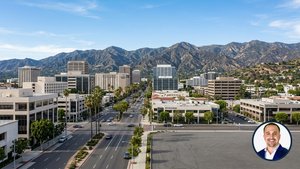




What Are Homes Selling for in San Gabriel CA in 2026?
Real numbers. Neighborhood-by-neighborhood breakdown. What sellers are actually getting — and what positions your home for top dollar in the SGV market.
🏠 FREE Weekly Workshop — First-Time Buyer Blueprint
Learn exactly how to buy a home in LA — prices, process, and pitfalls. Live every week, totally free.
Reserve Your Free Seat →San Gabriel CA homes are selling for approximately $960,000 at the median for single-family residences in 2026 — up from roughly $880,000 two years ago. Prices range from $750,000 in South San Gabriel to $1.4M–$1.6M for updated properties in North San Gabriel or Mission District premium pockets. Homes are moving in about 20 days, and the list-to-sale ratio is sitting around 104%, meaning most sellers receive above asking price.
San Gabriel is one of the most consistently competitive markets in the San Gabriel Valley. The combination of historic character, proximity to the 10 Freeway, the strong SGV Chinese-American buyer community, and relatively limited inventory creates a market where well-priced homes rarely sit. In my 13 years working this area, I've seen San Gabriel hold its value better than most surrounding cities during slower cycles — and appreciate faster when the market heats up.
What makes San Gabriel pricing complex is that the city spans meaningfully different tiers. A bungalow in South San Gabriel on a flat 6,000 square-foot lot is a very different conversation from a Spanish Colonial on Hermosa Avenue in the Mission District. This article walks through each tier, what buyers are actually paying, and the factors that push a San Gabriel home toward the top or bottom of its range.
San Gabriel Neighborhood Price Breakdown: South, Central/Mission, and North
San Gabriel's housing market breaks into three geographic tiers that each reflect different buyer demand, lot sizes, architectural character, and proximity to shops and restaurants. Understanding which tier your home sits in is the starting point for any pricing conversation.
North San Gabriel and the Mission District command the highest prices, driven by larger lots, historic architecture, walkable proximity to San Gabriel Square and Valley Boulevard restaurants, and stronger school proximity. South San Gabriel offers the city's most accessible entry point, pulling in first-time buyers and families priced out of Central and North.
Properties within a half-mile of the San Gabriel Square restaurant corridor on Valley Boulevard carry a measurable walkability premium among SGV Chinese-American buyers who value proximity to authentic dining, grocery, and retail. This is not captured in standard $/sqft calculations but consistently shows up in multi-offer situations on that cluster of streets.
How San Gabriel Home Prices Compare to Alhambra, Monterey Park, and Temple City
San Gabriel sits in a distinctive middle position in the SGV pricing hierarchy. It's more expensive than Alhambra and Monterey Park, but hasn't reached the premium levels of Temple City or San Marino. For sellers, this is an advantage: San Gabriel offers established community character and school access at a price point that still draws a wide buyer pool.
The comparison below shows median single-family home prices for the most directly comparable SGV cities in Q1–Q2 2026. These are not list prices — they are closed sale medians pulled from CRMLS data.
The $90,000–$140,000 premium San Gabriel commands over Alhambra and Monterey Park reflects real factors: more single-family home inventory relative to condos, the Mission District historic character that doesn't exist elsewhere in the SGV, and the consistent demand from the concentrated Chinese-American buyer pool who specifically seek San Gabriel addresses. That premium has held through two market cycles without compressing.
San Gabriel sellers benefit from a two-directional buyer pool: local SGV move-up buyers trading out of Alhambra or Monterey Park, and international buyers from Taiwan, Hong Kong, and mainland China who specifically target San Gabriel for its cultural community, school access, and investment track record. This dual demand supports faster absorption and stronger pricing than most comparable-sized SGV cities.
San Gabriel CA Price Tier Breakdown: Under $800K, $800K–$1.2M, and $1.2M+
Every price tier in San Gabriel functions as a distinct sub-market with its own buyer competition level, property type mix, and negotiation dynamics. Knowing your tier is essential for pricing strategy.
| Price Tier | Typical Properties | Buyer Profile | Market Tempo | Tier |
|---|---|---|---|---|
| Under $800K | South SG starter SFRs, older condos, fixer-uppers, small lots | First-time FHA buyers, investors seeking ADU upside, flippers | 25–35 days, 100–102% L/S | Entry |
| $800K–$1.2M | Move-in ready SFR, 3BD/2BA, 1,400–1,800 sqft, most of Central and South SG | SGV move-up buyers, international buyers, dual-income households | 15–22 days, 103–106% L/S, multi-offer common | Core Market |
| $1.2M–$1.6M | North SG updated homes, Mission District premium blocks, 4BD+, remodeled kitchens/baths | Established families, cash-equity buyers, international investors | 18–28 days, 102–105% L/S | Premium |
| $1.6M+ | Architecturally significant homes, large lots 9,000+ sqft, Craftsman/Spanish Colonial renovation projects | Luxury buyers, collectors of historic architecture, estate buyers | 30–55 days, 99–103% L/S | Luxury |
The $800K–$1.2M tier is where the sharpest competition lives in San Gabriel. This is the range where a well-presented home in a desirable school zone will routinely attract 4–8 offers within the first 10 days. Sellers in this range who price strategically and prepare their home properly have the most negotiating power in the current market.
Who Is Buying Homes in San Gabriel CA in 2026?
San Gabriel draws from a more concentrated and culturally specific buyer pool than most SGV cities. Understanding who is competing for homes in your price tier helps you position your listing, stage appropriately, and set accurate expectations about timelines and offer dynamics.
Buyers from Taiwan, Hong Kong, and mainland China specifically target San Gabriel for cultural community, Mandarin-speaking neighbors, SGV restaurant access, and long-term appreciation track record. San Gabriel's address itself carries weight in this buyer pool. These buyers are highly informed and move quickly when the property meets their criteria.
Households moving up from Alhambra, Monterey Park, or Rosemead who want more space, a better school zone, or the specific character of San Gabriel streets. School boundaries are the primary filter — these buyers often know the Alhambra USD attendance zones better than most agents do. They are ready to move and often competing against international buyers for the same homes.
Concentrated in South San Gabriel. Often dual-income households entering the market for the first time, using down payment assistance or family gift funds. More sensitive to condition and financing contingencies. Sellers in the under-$850K range who can offer a clean, move-in ready property will capture this pool most effectively.
Looking for lots with ADU potential, existing duplexes, or properties with soft-story rehab opportunity. San Gabriel's proximity to the 10 Freeway and strong rental demand make it an attractive investment market. Investors in this pool will run ADU pro forma math and bid accordingly — a property on a 7,500+ sqft lot with a detached garage structure draws investor-level competition even in the general SFR market.
How Alhambra USD School Boundaries Affect San Gabriel Home Prices
San Gabriel falls within Alhambra Unified School District for most of its footprint. The two main high schools drawing buyer attention are San Gabriel High School and Del Mar High School, each with distinct reputations and attendance zone footprints that affect pricing on the streets that feed them.
In my experience working San Gabriel listings, school boundary questions come up in nearly every SGV buyer conversation. Families doing competitive research know which streets sit inside preferred attendance zones and which don't — and they price that into their offers. A home that can confirm Del Mar High or San Gabriel High in its marketing materials typically generates more first-weekend showings than a comparable home where the school boundary is ambiguous.
| School | Level | Estimated Rating | Price Impact | Notes |
|---|---|---|---|---|
| San Gabriel High School | 9–12 | Competitive (6–7/10) | $30K–$50K premium in zone | Long-established, strong athletics, large SGV alumni community |
| Del Mar High School | 9–12 | Above Average (7–8/10) | $50K–$80K premium in zone | Smaller campus, STEM focus, higher test score perception; drives North SG demand |
| Jefferson Middle School | 6–8 | Average | Neutral | Most San Gabriel elementary feeder; not a differentiator in buyer decisions |
| Las Flores Elementary | K–5 | Good (7/10) | $15K–$25K in-zone bump | Consistently sought by young families in the Central SG zone |
Alhambra USD boundaries are subject to redistricting. Before using a school name in your listing marketing, confirm the current attendance zone directly with AUSD or via the district's address lookup tool. Misrepresenting school boundaries is a disclosure liability — a good agent verifies this before the MLS goes live.
The SGV Chinese-American Buyer Pool: Why San Gabriel Is in Constant Demand
San Gabriel has one of the highest concentrations of Chinese-American residents in Los Angeles County, and that community creates a structural demand floor that doesn't exist in most other SGV cities. Buyers who specifically want to live in San Gabriel — not just an SGV city, but San Gabriel specifically — are motivated by factors that go beyond square footage and school ratings.
The San Gabriel Square restaurant and retail corridor on Valley Boulevard, the cultural institutions, the Mandarin-speaking neighborhood network, and the decades-long investment track record in the city all create a buyer pool that is both larger and more specifically targeted than what you see in Alhambra, Monterey Park, or Rosemead. From a seller's perspective, this means your buyer pool is concentrated, informed, and competitive — which translates to faster sales and stronger pricing when your home is positioned correctly.
| Demand Factor | Impact on Market | Seller Implication |
|---|---|---|
| Cultural community concentration | Creates a dedicated buyer pool that specifically targets San Gabriel addresses over comparable SGV cities | Wider buyer pool = more competition = better pricing |
| International investment demand | Out-of-state and international buyers often transact all-cash, reducing contingency risk | All-cash offers reduce financing fallout risk in escrow |
| Lunar New Year buyer pause | SGV buyer activity drops notably for 10–14 days around the Lunar New Year holiday (late Jan to mid-Feb depending on year) | Avoid listing in this window; aim for mid-February restart or early March launch |
| Feng shui property preferences | Cul-de-sac lots, T-intersection lots, and certain address numbers affect buyer perception in this pool | Know your lot's feng shui standing before pricing; some considerations are correctable with staging |
| SGV Square / Valley Blvd proximity | Walkability to the restaurant and retail corridor adds 3–7% in perceived value for cultural buyers | Quantify walk distance in your listing description when within a half-mile |
SFR vs. Condo vs. Duplex: San Gabriel Property Type Market Conditions
San Gabriel's market is dominated by single-family residences, but condos and small multifamily properties each have their own buyer dynamic. If you own a non-SFR property type in San Gabriel, your pricing strategy differs from what the headline $960K median number suggests.
- Highest demand category; most of San Gabriel's desirable buyer pool specifically seeks SFRs
- Median price ~$960K; strongest appreciation trajectory
- Multiple-offer situations common at $800K–$1.2M
- Lot size is a major value driver; 7,500+ sqft lots attract both family and investor buyers
- No HOA is a significant advantage for SGV buyers compared to condo alternatives
- Smaller buyer pool; many SGV Chinese-American buyers specifically exclude condos from searches
- Median condo price ranges $540K–$680K; substantially lower appreciation than SFR
- HOA fees ($300–$600/mo) reduce net proceeds and affect buyer qualification
- Slower absorption; typically 35–55 days on market versus 20 days for SFRs
- Condition and HOA financial health directly affect sale price and lender willingness to finance
| Property Type | Typical Price Range | Avg. DOM | Primary Buyer |
|---|---|---|---|
| SFR (standard) | $800K–$1.2M | 18–22 days | Move-up families, international buyers |
| SFR (premium / large lot) | $1.2M–$1.6M+ | 20–30 days | Estate buyers, intl. investors, luxury families |
| Condo / Townhome | $520K–$700K | 35–55 days | First-time buyers, single professionals, investors |
| Duplex / Small Multifamily | $1.0M–$1.4M | 22–38 days | Investors, multigenerational households, owner-occupant investors |
| Fixer / Teardown SFR | $750K–$900K | 20–35 days | Flippers, developers, ADU-forward investors |
ADU and Investor Opportunity in San Gabriel CA
San Gabriel's location just north of the 10 Freeway, combined with strong rental demand from the SGV workforce and a large renter population among recent arrivals, makes it one of the better SGV cities for ADU investment returns. California's ADU-friendly laws mean that most San Gabriel SFR lots can support a detached ADU, and the rental income math pencils out in a market where 1BR units rent for $1,700–$2,200 per month.
For sellers, ADU potential is a dual-edged opportunity. If your lot has an existing ADU or a detached structure that could be converted, you have two buyer pools competing for your property simultaneously: the owner-occupant family who wants the ADU for in-laws or rental income, and the investor who is running a cap rate calculation. That competition is a seller's advantage.
| ADU Scenario | Estimated Cost | Monthly Rent | Buyer Premium |
|---|---|---|---|
| Detached ADU (new build, 600–800 sqft) | $160K–$240K | $1,800–$2,200/mo | $120K–$200K on sale price |
| Garage conversion ADU (400–600 sqft) | $80K–$140K | $1,500–$1,900/mo | $60K–$120K on sale price |
| Existing permitted ADU or second unit | N/A (already built) | $1,600–$2,100/mo | $150K–$220K on sale price vs. no ADU |
| Lot with ADU-ready clearance (no structure yet) | N/A (buyer builds) | N/A | $40K–$80K premium for pre-approved lot |
If your San Gabriel property has ADU potential, include a site plan or a letter from the city confirming the lot qualifies in your pre-listing packet. Buyers who are on the fence about a property often commit when they see the ADU opportunity quantified. I've seen this move $40,000–$90,000 in final sale price on properties that didn't even have an ADU built yet.
Seller Strategy for San Gabriel CA in 2026: Pricing in a Fast-Moving Market
The most common mistake San Gabriel sellers make is treating the $960,000 median as a target rather than a data point. The median tells you where the market is, not where your specific property should be priced. Pricing strategy in San Gabriel requires understanding your tier, your condition relative to competing listings, your school zone, and the timing of your launch relative to the SGV seasonal calendar.
In a market where homes are moving in 20 days and the list-to-sale ratio is sitting at 104%, sellers who price at the top of the fair value range — not above it — generate the multi-offer situations that push them above asking. Sellers who over-price end up negotiating down to a number they could have gotten faster with a correctly positioned initial list price.
Timing Your San Gabriel Listing: The SGV Seasonal Calendar
| Month Window | SGV Market Tempo | Recommended Action |
|---|---|---|
| Jan (early) | Quiet; buyers pause for Lunar New Year | Avoid listing; use time for pre-listing prep |
| Feb (mid) – March | Spring market begins; SGV buyer pool re-activates | Ideal launch window; beat the spring inventory surge |
| April – May | Peak competition; most offers and fastest DOM | Best window for multiple offers and above-ask pricing |
| June – July | Still active; slightly longer DOM as summer starts | Good window; heat reduces weekend showings slightly |
| August | Slower; many SGV families traveling or in transition | Only if necessary; reduce price expectations slightly |
| September – October | Fall market re-activates; second-best window | Strong option if spring listing didn't work out |
| November – December | Slowest period; holiday distraction reduces showings | Avoid unless motivated seller; pricing must be sharp |
Common Inspection Issues in San Gabriel CA Homes (and What They Cost)
Most of San Gabriel's housing stock was built between 1920 and 1965. That vintage brings specific inspection patterns that experienced SGV buyers expect and budget for. Sellers who address these proactively before listing can eliminate the most common sources of post-offer renegotiation.
| Issue | How Common | Typical Repair Cost | Seller Recommendation |
|---|---|---|---|
| Galvanized supply lines | Very common (pre-1960 homes) | $4,000–$12,000 full repipe | Repipe before listing or offer seller credit in disclosure |
| Original electrical panel (Federal Pacific / Zinsco) | Common in 1950s–1970s homes | $2,500–$5,000 panel replacement | Replace before listing; lenders often require it for financing |
| Cracks in original concrete foundation | Moderate; often cosmetic | $800–$4,000 (cosmetic) to $20K+ (structural) | Get a structural engineer report before listing; disclose fully |
| Absence of earthquake strapping / cripple wall bracing | Common in raised-foundation homes | $3,000–$8,000 retrofit | Retrofit is often ROI-positive; buyers will ask for credit otherwise |
| Original single-pane windows | Very common | $6,000–$18,000 full replacement | Offer credit; buyers prefer to choose style and brand themselves |
| Unpermitted garage conversion / addition | Moderate; especially South SG | $5,000–$30,000 to legalize; varies widely | Disclose in MLS; some buyers value the space regardless of permit status |
A pre-listing inspection in San Gabriel typically costs $400–$650. In my 13 years of SGV transactions, sellers who complete a pre-listing inspection and address the major items reduce their post-offer renegotiation by an average of $15,000–$40,000. Buyers in the SGV are experienced and thorough — they will find issues. You want to find them first and control how they're disclosed.
Browse San Gabriel Homes by Price Range Right Now
Not sure where to start your search? Use these filtered links to see exactly what is available in each San Gabriel price tier today. All results pull directly from CRMLS and update daily — no login required.
Entry-tier • First-time buyers • Investors $800K–$1M Range
Core market • Highest competition tier $1M–$1.3M Range
Premium tier • Mission District • North SG $1.3M+ Luxury Homes
Estate buyers • Architecture • Large lots
Want to see specific streets, school zones, or lot sizes? Call or text me and I'll run a custom search for your criteria: (213) 262-5092.
San Gabriel CA Seller Closing Costs: What to Budget Before the Check Arrives
Every San Gabriel seller needs a realistic closing cost estimate before they can calculate what they'll net. The numbers below reflect typical costs for a standard owner-occupied SFR sale in San Gabriel in 2026. Your actual costs may vary based on your loan payoff, negotiated credits, and pre-sale preparation choices.
| Cost Item | Typical Amount | Who Pays | Notes |
|---|---|---|---|
| Real estate commission | 2.5%–3% of sale price | Seller | Post-NAR settlement: listing side (1.5–2.5%) + buyer agent offer (0%–2.5%); negotiate explicitly |
| Escrow fee | $1,500–$3,500 | Split buyer/seller | Varies by escrow company; typically $2 per $1,000 of price plus base fee |
| Owner's title insurance | $1,800–$4,200 | Seller (standard in SGV) | Protects buyer's ownership claim; seller customarily pays in LA County |
| LA County transfer tax | $1.10 per $1,000 of price | Seller | ~$1,056 on $960K sale; San Gabriel NOT subject to City of LA transfer tax |
| Natural hazard disclosure report | $120–$200 | Seller | Required in California; covers flood, fire, earthquake zones and more |
| Pre-listing home inspection | $400–$650 | Seller (optional but recommended) | Reduces post-offer renegotiation; worth the cost on any San Gabriel vintage home |
| Termite inspection and report | $100–$200 (report) / $1,500–$6,000 (treatment if needed) | Seller | Nearly always required for SFR sales in SGV; termites are extremely common in older wood-frame homes |
| Home warranty (optional seller offer) | $500–$900 | Seller (offered to buyer) | Reduces buyer concern about aging systems; often offered as a goodwill gesture in competitive listings |
| Staging (partial or full) | $1,500–$5,000 | Seller | ROI-positive for most San Gabriel SFRs; staged homes photograph better and attract more offers |
| Pre-sale repairs / paint / landscaping | $3,000–$20,000+ | Seller | Highly variable; focus ROI on kitchen presentation, exterior paint, and curb appeal in San Gabriel |
If you've owned your San Gabriel home for 10+ years and are 55 or older, Proposition 19 allows you to transfer your property tax base to a replacement home anywhere in California (up to three times, or unlimited for disaster victims). This can save you tens of thousands per year in property taxes when downsizing or relocating. Ask me about the Prop 19 transfer timeline and how to structure your sale and purchase to qualify.
San Gabriel CA Pre-Sale Readiness Checklist: 18 Steps Before You List
The difference between a San Gabriel home that sells in 12 days with multiple offers and one that sits for 45 days is almost always preparation. I've seen beautifully located homes underperform because sellers skipped three or four items on this list. Work through it methodically and your listing day becomes a launch, not a gamble.
| Step | Action Item | Priority |
|---|---|---|
| 1 | Order a pre-listing inspection from a licensed California home inspector | 🔴 Critical |
| 2 | Verify school attendance zone with Alhambra USD directly (boundaries change) | 🔴 Critical |
| 3 | Pull a termite inspection; treat if Section 1 items found | 🔴 Critical |
| 4 | Confirm ADU or second unit permit status with San Gabriel Building and Safety | 🔴 Critical |
| 5 | Replace any Federal Pacific or Zinsco electrical panel (lender-required in most cases) | 🔴 Critical |
| 6 | Repipe or disclose galvanized supply lines (offer credit if not replacing) | 🟥 High |
| 7 | Touch up exterior paint and stucco; repaint front door | 🟥 High |
| 8 | Deep clean interior including windows, grout, and appliances | 🟥 High |
| 9 | Declutter all rooms; remove at least 30% of furniture to improve perceived space | 🟥 High |
| 10 | Refresh landscaping: mow, edge, plant color, clean hardscape | 🟥 High |
| 11 | Hire a professional real estate photographer (SGV buyers make decisions online first) | 🟥 High |
| 12 | Order natural hazard disclosure report early (NHD report takes 24–48 hours) | 🟧 Moderate |
| 13 | Gather HOA documents if applicable (CC&Rs, financials, meeting minutes) | 🟧 Moderate |
| 14 | Locate any permits for additions, conversions, or major system replacements | 🟧 Moderate |
| 15 | Stage living room, primary bedroom, and kitchen at minimum (or full staging for $1M+ homes) | 🟧 Moderate |
| 16 | Confirm Lunar New Year window and plan listing launch date accordingly | 🟧 Moderate |
| 17 | Research your mortgage payoff balance so you can evaluate offers with real net numbers | 🟡 Low |
| 18 | Interview at least two SGV-experienced agents before signing a listing agreement | 🟡 Low |
5 Mistakes San Gabriel Sellers Make That Cost Them Money
I've worked enough San Gabriel transactions to know where sellers leave money on the table. These five mistakes are the most common — and the most avoidable.
San Gabriel Key Streets and What They Typically Sell For
In San Gabriel, your street address matters more than most buyers realize. A home on Hermosa Avenue in the Mission District sells differently than a comparable-sized home on a South San Gabriel block near the Rosemead border. The table below gives street-level pricing context for the most actively transacted streets in San Gabriel.
| Street / Area | Neighborhood Tier | Typical SFR Range | Buyer Profile |
|---|---|---|---|
| Hermosa Ave / Mission District blocks | Mission District / Central | $980K–$1.35M | Architecture buyers, intl. investors, established families |
| Las Tunas Dr corridor (north of) | North San Gabriel | $1.0M–$1.5M | Move-up families, Del Mar HS zone buyers, investors |
| Valley Blvd (north side, Central) | Central / Mission-adjacent | $880K–$1.15M | SGV community buyers, walkability-focused buyers |
| San Gabriel Blvd (residential blocks) | Mixed Central / South | $800K–$1.0M | Move-up buyers, investors, multigenerational households |
| Ramona St / South SG blocks | South San Gabriel | $750K–$900K | First-time buyers, ADU investors, FHA buyers |
| New Ave (north of 10 Freeway) | North San Gabriel / Alhambra border | $950K–$1.25M | SGV move-up families, international investors |
| Del Mar Ave (north blocks) | North San Gabriel | $1.0M–$1.4M | Del Mar HS zone buyers, estate buyers |
San Gabriel CA Estimated Net Proceeds at Three Price Points
Gross sale price is not what you take home. Every San Gabriel transaction involves a predictable set of closing costs, commissions, and potential transfer taxes. Here's a realistic look at what sellers net at three common price points in the current market.
San Gabriel is an incorporated city outside the City of Los Angeles, so it is NOT subject to Measure ULA (the "mansion tax" that applies to LA City sales over $5M and $10M thresholds). San Gabriel sellers pay standard LA County transfer tax ($1.10 per $1,000 of sale price) but are not subject to the additional City of LA transfer tax. This is a meaningful net-proceeds advantage for San Gabriel sellers of high-value properties compared to nearby LA City neighborhoods like Alhambra-adjacent areas that may cross jurisdictional lines.
San Gabriel CA Home Values — Quick Reference Cheat Sheet
| If You Want to Know... | The Answer Is... |
|---|---|
| Median SFR price | ~$960,000 (Q1–Q2 2026, CRMLS) |
| Average price per sq. ft. | ~$640–$710 depending on neighborhood and condition |
| Average days on market (SFR) | ~18–22 days; best homes go in 10–14 days |
| List-to-sale ratio | ~104%; most homes sell above asking |
| Under $800K | South San Gabriel SFRs, condos, fixers; investor interest |
| $800K–$1.2M | Core market; highest competition; multi-offer common |
| $1.2M–$1.6M | North SG and Mission District premium homes |
| Best time to list | March–May (spring peak); avoid Lunar New Year window |
| School district | Alhambra USD; San Gabriel HS and Del Mar HS are key attendance zones |
| Measure ULA transfer tax | Does NOT apply (San Gabriel is not in City of LA) |
| ADU rental income potential | $1,600–$2,200/mo for detached ADU; adds $120K–$200K to value |
| Primary buyer pool | SGV Chinese-American community, international buyers, SGV move-up families |
| Condo market median | ~$560K–$680K; slower absorption (35–55 days) |
| Transfer tax (county only) | $1.10 per $1,000 of sale price |
San Gabriel CA Real Estate Investment Outlook for 2026 and Beyond
San Gabriel has been one of the most consistent appreciation markets in the SGV over the past two decades. The structural factors that drive that consistency — cultural community concentration, tight inventory, freeway access, school system — have not changed. What has changed is the broader interest rate environment, which has modestly cooled the first-time buyer pool while leaving the cash-heavy international buyer segment largely unaffected.
For investors buying in San Gabriel today, the calculus is straightforward: rental demand is strong, ADU opportunity is real, and the city sits at a price point where all-cash purchases are feasible for the international buyer segment that dominates the upper end of the market. For sellers who are also buyers, understanding the San Gabriel market on both sides of the transaction gives you timing clarity that most sellers don't have.
San Gabriel is a fully built-out city. There is no meaningful new SFR construction pipeline. Every home that sells is an existing home competing with other existing homes. In supply-constrained markets with strong cultural buyer demand, prices tend to hold during corrections and recover faster than adjacent markets with more new construction. For long-term holders, San Gabriel's supply situation is a structural tailwind.
San Gabriel vs. Nearby SGV Cities: Where to Buy in 2026?
Buyers and investors frequently ask me how San Gabriel compares to its nearest competitors on investment fundamentals. The table below gives my honest take on each city's 2026 positioning, based on market data and on-the-ground experience across all four cities.
| City | 2026 Median | Inventory Level | Appreciation Trend | Best For |
|---|---|---|---|---|
| San Gabriel | ~$960K | Very tight | Steady +4–6% YoY | Cultural buyers, Mission District premium, ADU investors |
| Temple City | ~$1.05M | Tight | +4–7% YoY; school-driven | TCUSD school-premium families, estate buyers |
| Alhambra | ~$870K | Moderate | +3–5% YoY | First-time buyers, larger condo selection, AB 1482 investors |
| Rosemead | ~$840K | Moderate-tight | +4–6% YoY | Entry-point SGV buyers, dual-school-district value play |
| Monterey Park | ~$820K | Moderate | +3–5% YoY | Walkability buyers, Mark Keppel school zone seekers |
San Gabriel's competitive position in this table is clear: it sits in the middle of the SGV price hierarchy with stronger cultural-demand tailwinds than Alhambra or Monterey Park, and without the HOA complexity that comes with Temple City's master-planned pockets. For a balanced risk-return profile in the SGV, San Gabriel consistently makes the short list.
Working With a San Gabriel-Specific Agent: What to Ask Before You Sign
Not every SGV agent is a San Gabriel specialist. Here are five questions to ask any agent before listing your San Gabriel home or making an offer on one:
| Question to Ask | What a Good Answer Looks Like |
|---|---|
| How many San Gabriel transactions have you closed in the last 12 months? | At least 3–5 closed transactions; general SGV experience without SG-specific closings is insufficient |
| Which school boundaries are strongest for pricing in this neighborhood? | Should name Del Mar or San Gabriel High specifically and know the attendance zone boundary streets |
| What is your marketing plan for international and Chinese-American buyers? | Should have relationships with Mandarin-speaking buyer's agents, Chinese-language marketing channels, and WeChat outreach strategy |
| What is your average list-to-sale ratio on San Gabriel listings? | Should be at or above 103%; anything below 100% suggests overpricing patterns |
| What are the three biggest pricing factors I should know about my specific property? | Should ask about your lot size, school zone, condition, and ADU potential before answering — not recite a generic answer |
FAQ: What Are Homes Selling for in San Gabriel CA in 2026?
San Gabriel Real Estate Terms Every Seller Should Know
If this is your first time selling in the SGV, a few terms come up repeatedly in the San Gabriel market that are worth understanding before you're sitting across the table from an offer.
| Term | What It Means in the San Gabriel Context |
|---|---|
| List-to-sale ratio | The percentage of list price achieved at close. San Gabriel's 104% means most sellers get above their asking price. Used to benchmark your agent's performance. |
| Absorption rate | How quickly available inventory is selling. San Gabriel's tight inventory means absorption is fast — typically 15–20 days for SFRs under $1.2M. |
| Comparable sales (comps) | Closed sales of similar properties used to determine fair market value. In San Gabriel, comps should be within 0.5 miles and within the last 90 days to be meaningful. |
| Section 1 vs. Section 2 termite findings | Section 1 = active infestation or fungal damage requiring immediate treatment (seller typically pays). Section 2 = conditions likely to lead to infestation (negotiable). Common in San Gabriel's older wood-frame stock. |
| Contingency removal | The period after an offer is accepted when buyers verify inspection, financing, and appraisal. In competitive San Gabriel situations, buyers sometimes offer shortened or waived contingencies to win. |
| Prop 19 base year transfer | A California law allowing sellers 55+ to transfer their property tax assessed value to a replacement home. Valuable for long-term San Gabriel owners whose Prop 13 base is far below current market value. |
| Natural hazard disclosure (NHD) | Required California disclosure report identifying flood, fire, earthquake, and other natural hazard zones. San Gabriel is in a standard seismic zone but not a high wildfire risk area. |
| Feng shui considerations | Specific to SGV Chinese-American buyers: T-intersection lots, cul-de-sacs, and certain house numbers affect buyer interest. Not superstition to your buyer pool — real pricing factor in San Gabriel. |
What Mortgage Do You Need to Buy a $960K Home in San Gabriel CA?
Understanding the financing side of San Gabriel home values helps both buyers and sellers set realistic expectations about who can compete for a home at various price points. Here's a straightforward look at what different loan structures look like at the San Gabriel median price point of $960,000.
In 2026, the 30-year fixed mortgage rate is hovering in the 6.5%–7.2% range depending on credit score, loan type, and points paid (Freddie Mac PMMS, Q2 2026). At those rates, the monthly payment math for a San Gabriel purchase looks meaningfully different from what it did in 2021 — and that has shifted more buyers toward jumbo financing, larger down payments, and all-cash offers where possible.
| Purchase Price | Down Payment | Loan Amount | Est. Monthly P&I (7%) | Loan Type |
|---|---|---|---|---|
| $960,000 | 20% ($192,000) | $768,000 | ~$5,113/mo | Jumbo conventional |
| $960,000 | 10% ($96,000) | $864,000 | ~$5,752/mo | Jumbo conventional + PMI |
| $800,000 | 20% ($160,000) | $640,000 | ~$4,259/mo | Conventional (conforming) |
| $1,200,000 | 25% ($300,000) | $900,000 | ~$5,990/mo | Jumbo |
| $750,000 | 5% ($37,500) | $712,500 | ~$4,742/mo | FHA jumbo (high-cost area limit) |
Los Angeles County qualifies as a high-cost area for federal loan limit purposes. In 2026, the conforming loan limit in LA County is approximately $1,149,825 for a single-family home, and the FHA limit is similar. This means buyers in San Gabriel can access conventional financing on most transactions without crossing into true jumbo territory — an advantage over markets with lower local limits. Consult a mortgage professional for current limits and qualification criteria specific to your situation.
For sellers, understanding buyer financing constraints matters when evaluating offers. A buyer putting 5% down on a San Gabriel home faces tighter qualification criteria than a buyer bringing 25% or paying cash. In a multi-offer situation, the financial strength of each offer — not just the price — determines which offer you should accept. I review offer structures carefully with every seller and flag contingencies that create closing risk before we celebrate a number.
A Note on San Gabriel Market Data Sources and Accuracy
The numbers in this article reflect CRMLS closed sale data and California Association of Realtors (CAR) quarterly reports for Q1–Q2 2026. Median prices, days on market, and list-to-sale ratios are trailing 90-day figures unless noted otherwise. Individual property values can vary significantly from the median based on condition, lot size, school zone, and timing of sale.
Real estate data in the San Gabriel Valley moves quickly. What was true at the start of 2026 may not fully reflect conditions by the time you are reading this. Before making any pricing decision — whether buying or selling — pull current comps from the last 45–60 days for your specific property type and neighborhood. Trailing medians are context; fresh comps are pricing.
If you want current data specific to your San Gabriel address, I run a full comparative market analysis as part of every seller consultation at no cost. The CMA takes about 20 minutes to walk through and will give you a number grounded in what's actually closed in your area recently — not just a neighborhood-wide average. Call (213) 262-5092 or text me at sms:+12132625092 to schedule.
Median price figures in this article are for single-family residences unless explicitly noted. Condos, townhomes, and multifamily properties are reported separately. Year-over-year comparisons use Q1–Q2 2025 vs. Q1–Q2 2026 CRMLS data. Price per square foot figures are averages across closed sales and do not account for lot size premium, which can add 5–15% to effective value on larger parcels in San Gabriel. All figures are estimates subject to change based on market conditions at time of sale.
Search San Gabriel CA Homes by Property Type
The type of property you're looking for — or selling — determines which buyer pool you're attracting. Use these direct search links to see what's currently available by property type in San Gabriel.
Questions about a specific property you found? Text me at sms:+12132625092 and I'll pull the full disclosure history and comp analysis within a few hours. DRE #01940318.
Related San Gabriel Valley Resources
💰 What's My Home Worth in 2026?
Get a free, accurate valuation from Justin Borges — backed by real comps, not a Zestimate.
Get My Free Home Valuation →What Is Your San Gabriel Home Worth in 2026?
I'll pull your specific comps, factor in your tier and school zone, and give you a data-backed number — not a Zestimate.
- Free, no-obligation home value analysis
- SGV-specific pricing strategy built for your property type
- 13+ years of San Gabriel market data
- Call or text — I respond same day
Prefer to text? SMS Justin at sms:+12132625092 • DRE #01940318