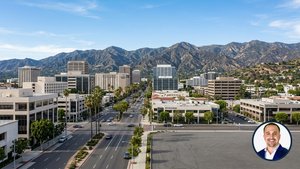




Lincoln Heights Seller Guide - 2026
Selling a Home in Lincoln Heights in 2026
LA River corridor upside, NELA gentrification wave pricing, and the disclosure prep strategy older homes require - from an agent who knows these streets.
Lincoln Heights is one of Los Angeles's oldest neighborhoods, sitting on the east bank of the LA River with direct exposure to the NELA gentrification wave that reshaped Highland Park and Cypress Park. In 2026, sellers here are working with three distinct pricing tiers, a motivated buyer pool that includes Cal State LA faculty and first-generation homebuyers, and older housing stock that requires proactive disclosure preparation. This guide walks through everything you need to price correctly, prepare strategically, and net the most from your sale.
🏠 FREE Weekly Workshop — First-Time Buyer Blueprint
Learn exactly how to buy a home in LA — prices, process, and pitfalls. Live every week, totally free.
Reserve Your Free Seat →The Numbers Behind the Neighborhood
Lincoln Heights is one of LA's oldest incorporated communities, annexed into the city in 1909. Its housing stock reflects that history - primarily 1900-1950s construction with deep lots and detached garages that make it one of the strongest ADU corridors in Northeast LA. Here is the baseline data sellers need to understand their market position.
The 3 Pricing Zones in Lincoln Heights - and Why They Matter
Lincoln Heights is not one market. It is three distinct micro-markets stacked within the same ZIP code, each with different buyer profiles, days on market, and pricing logic. Using a single neighborhood median to price your home is one of the most common mistakes LH sellers make. Here is how the zones break down in 2026.
The LA River Corridor - Lincoln Heights's Biggest Long-Term Asset
Lincoln Heights sits on the east bank of the Los Angeles River in a designated revitalization corridor. The $1.7 billion LA River Revitalization Master Plan covers 51 miles of river corridor and calls for trails, parks, restored habitat, and mixed-use development along this stretch. This is not a distant promise - stretches of the river from Elysian Valley through Lincoln Heights are already seeing trail improvements and capital investment.
For sellers today, the river corridor is a marketing asset and a genuine pricing driver for river-adjacent and hilltop parcels. Properties with views of the river, or within two blocks of river access points, command a measurable premium over comparable mid-neighborhood homes. Buyers who purchase near the river now are pricing in long-term infrastructure upside that parallels what happened to Silver Lake and Echo Park properties adjacent to Elysian Park over the past decade.
The Montecito Heights neighborhood immediately north of Lincoln Heights commands a slight premium over LH due to its hillside character, larger lot sizes, and somewhat lower density. If your home is on the northern edge of LH with Montecito Heights adjacency, that geographic context matters to buyers and should be part of how you frame the location in marketing materials.
The 4 Buyer Types Active in Lincoln Heights in 2026
Lincoln Heights draws a more diverse buyer pool than most NELA neighborhoods. Knowing which buyer type is most likely to make your strongest offer shapes how you stage the home, where you focus marketing, and how you price. Here is the realistic breakdown for 2026.
Selling an Older Home in Lincoln Heights - The Disclosure Prep Strategy
Most Lincoln Heights homes were built between 1900 and the 1950s. That is charming on listing photos and a genuine buyer draw. It is also a disclosure preparation challenge that inexperienced sellers mishandle. Here is the framework I use with every LH seller before we go live.
The single biggest mistake is going to market without a pre-listing inspection, then having buyers discover deferred maintenance during their inspection period. At that point, the buyer has the upper hand - they can renegotiate credits, demand repairs, or walk. When you know what is there before you list, you control the narrative. You decide what to fix, what to disclose with context, and how to price it in without giving up ground in escrow.
| System | Common Issue (Pre-1960 LH Stock) | Risk Level | Typical Cost to Address |
|---|---|---|---|
| Plumbing | Galvanized steel pipes (corrosion, low pressure, rust) | High | $4,000 - $12,000 partial repipe |
| Electrical | Knob-and-tube wiring, undersized panels, no GFCI | High | $3,500 - $9,000 panel upgrade and rewire |
| Foundation | Unreinforced masonry, cripple walls (pre-1940) | High | $5,000 - $20,000 soft-story retrofit |
| Roof | Original composition or wood shake past life expectancy | Medium | $8,000 - $18,000 full replacement |
| HVAC | No central heat or AC, wall heaters only | Medium | $6,000 - $14,000 mini-split system |
| Windows | Single-pane original wood frames | Low | $400 - $700 per window replacement |
| Sewer Lateral | Clay pipe, root intrusion on tree-lined streets | Medium | $3,000 - $8,000 lateral replacement |
For homes with known foundation issues, I recommend getting a licensed structural engineer report before listing - not just a general home inspection. Engineer reports carry more weight with buyers' lenders and reduce the probability of underwriting delays. If the retrofit is within budget, addressing it before listing typically recovers 1.5x-2x the cost in final sale price.
Does Your Lincoln Heights Home Have ADU Potential?
Lincoln Heights has one of the highest concentrations of detached garages in Northeast LA - a legacy of the 1920s-1940s construction era when detached garages were standard on most lots. Under California's current ADU ordinance and SB 9, converting a detached garage to a legal ADU is largely a ministerial approval process in Los Angeles, meaning the city must approve it if it meets objective standards.
For sellers, ADU potential is a pricing factor - not a guarantee of value. The question is whether to convert before listing or to market the potential and let buyers price it in. There is no universal right answer. It depends on your timeline, the cost of conversion, and your target buyer profile.
| Scenario | When It Makes Sense | Estimated Value Add | Timeline |
|---|---|---|---|
| Convert before listing | Garage is structurally sound, you have 4-8 months, investor buyers are your target | $80K - $150K added appraised value | 4-8 months construction |
| Permit plans only | You want to shorten buyer's path to ADU; don't want construction timeline | $15K - $40K added buyer willingness to pay | 2-4 months plan prep |
| Market the potential | Large detached garage, good setbacks, R2/R3 zoning, no time or budget for conversion | Often $20K-$50K in competitive bids from investor buyers | No additional time |
| Document existing unit | Garage already converted - get as-built plans and discuss legalization path | Variable; legal ADU adds significantly more than unpermitted | 60-90 days to assess |
Rental income from a permitted ADU in Lincoln Heights runs $1,400 - $2,000 per month for a standard studio or 1-bed conversion as of 2026. Investor buyers doing ADU math will underwrite this income stream at a cap rate - typically 4.5-6% in this submarket - and that calculation directly shapes their offer price. Understanding this math helps you evaluate investor offers accurately against owner-occupant offers that don't account for rental income potential.
Lincoln Heights vs Cypress Park vs Boyle Heights - Where Does LH Stand?
Lincoln Heights sellers frequently ask whether they are at a premium or discount to neighboring NELA communities. The honest answer depends on your specific zone and property type. Here is how the three neighborhoods compare on 2026 data.
| Factor | Lincoln Heights | Cypress Park | Boyle Heights |
|---|---|---|---|
| Median SFR 2026 | $520K - $750K (zone-dependent) | $780K - $950K | $430K - $550K |
| Days on Market | 18-55 (zone-dependent) | 12-25 | 25-50 |
| Housing Stock | 1900-1950s Craftsman, Spanish | 1920-1960s mixed | 1910-1960s Spanish, Victorian |
| Metro Access | A Line (Lincoln Hts / Cypress Pk station) | A Line (shared station) | Gold Line (Mariachi Plaza) |
| Cal State LA Proximity | 2 miles | 3 miles | 4 miles |
| Gentrification Stage | Early-mid (appreciation accelerating) | Mid (high appreciation, bidding wars) | Early (lower prices, longer runway) |
| LA River Access | East bank, revitalization corridor | West bank access points | No direct river access |
| Investor Activity | High (ADU, flip) | Moderate-high | High (lower entry price) |
Lincoln Heights commands a clear premium over Boyle Heights - typically 15-30% - driven by the NELA spillover momentum and Cal State LA proximity. It trades at a discount to Cypress Park in most segments, though upper Zone 1 Lincoln Heights homes with views or river access can compete with lower Cypress Park comps. The gap between LH and CP has been narrowing as Highland Park's price appreciation pushed buyers further east.
When Is the Best Time to List a Home in Lincoln Heights?
Lincoln Heights follows the broader NELA seasonal pattern with a few neighborhood-specific overlays worth knowing before you set your launch date.
| Window | Market Conditions | Who Is Buying | Strategy |
|---|---|---|---|
| March - May | Peak inventory and demand. Multiple offers on well-prepared homes. Best DOM performance. | Families, NELA move-up buyers, Cal State hiring cycle | Full prep, full price. Launch with complete disclosures and inspection report. |
| June - August | Demand softens slightly mid-summer. Investor activity stays consistent. Heat is a showing factor. | Investors, relocating buyers, cash buyers | Price at mid-zone. Flexible closing timeline attracts quality investors. |
| September - November | Second spring in NELA. Cal State fall semester brings new buyers. Good momentum through October. | Cal State faculty (new hires), NELA families, first-gen buyers | Highlight commute and walkability. University marketing is effective here. |
| December - February | Lowest buyer activity. Longer DOM expected. Serious buyers only - less competition from other sellers. | Motivated buyers, relocations, investors | Price sharply. Buyers active in winter are pre-approved and ready to close. |
Transfer Taxes, Costs, and What You Actually Net in Lincoln Heights
Lincoln Heights is within the City of Los Angeles, which means sellers pay both LA City and LA County transfer taxes at close. This is worth understanding before you set a price expectation. Here is a net proceeds estimate at three price points.
| Cost Item | $500,000 Sale | $650,000 Sale | $800,000 Sale |
|---|---|---|---|
| LA City Transfer Tax ($4.50/$1K) | $2,250 | $2,925 | $3,600 |
| LA County Transfer Tax ($1.10/$1K) | $550 | $715 | $880 |
| Escrow Fee (estimated) | $2,000 | $2,400 | $2,800 |
| Title Insurance (estimated) | $1,200 | $1,500 | $1,800 |
| Agent Commission (2.5% seller side) | $12,500 | $16,250 | $20,000 |
| Total Estimated Closing Costs | $18,500 | $23,790 | $29,080 |
| Estimated Net to Seller | $481,500 | $626,210 | $770,920 |
Estimates only. Actual costs depend on your mortgage payoff, negotiated commission rate, and specific escrow and title fees. Does not include repair credits, pre-listing costs, or capital gains tax implications. Measure ULA (4% above $5.15M, 5.5% above $10.3M) does not apply to typical LH SFR transactions.
How I Sell Lincoln Heights Homes - 6 Steps
Every seller wants to know what the process actually looks like. Here is the framework I use with Lincoln Heights clients from the first conversation to closing.
Zone Analysis and Comp Pull
I pull block-level comps - not ZIP-level averages - to determine which pricing zone your property falls in and what the realistic price ceiling looks like based on current demand. I also assess ADU potential and identify any disclosure preparation items before we discuss price.
Pre-Listing Inspection and Disclosure Preparation
For homes built before 1960, I recommend a pre-listing inspection before we discuss staging or photography. The inspection results shape everything else - what we repair, what we disclose, how we price it in, and what the buyer's inspector will find. Proactive disclosure is a stronger negotiating position than reactive disclosure.
Buyer Type Targeting and Staging Strategy
Based on your home's zone, condition, and ADU potential, I identify the most likely buyer type and stage accordingly. A home targeting NELA move-up buyers gets different staging than one targeting Cal State LA faculty. Getting this alignment right shortens DOM and improves offer quality.
Launch with Full MLS Exposure
Full MLS launch with professional photography, floor plan, and - for Zone 1 and upper Zone 2 homes - aerial or video. Full exposure brings the broadest pool of qualified buyers and creates the competitive tension that generates strong offers.
Offer Evaluation and Negotiation
I evaluate every offer on net price after concessions, contingency risk, financing type, and closing timeline - not just the headline number. A $640K offer with strong financing and a clean inspection contingency waiver can net more than a $660K offer with repair demands and a shaky lender. I walk you through this math on every offer before you decide.
Escrow Management and Close
My job in escrow is to keep the deal together. LH older homes occasionally surface new inspection items mid-escrow. When that happens, I manage the renegotiation with data - not emotion. I track every timeline, every contingency removal, and every deliverable. Target close: 30-35 days from accepted offer.
Pre-Sale Readiness Checklist for Lincoln Heights Sellers
Use this checklist before your first conversation with any agent. The more of these items you can check off before going to market, the stronger your position at launch and in escrow.
Legal and Disclosure
Inspections and Repairs
Presentation and Staging
Pricing and Strategy
How to Build a Defensible List Price for a Lincoln Heights Home
Pricing is the most consequential decision a seller makes. Set it right and you attract multiple offers, create competitive tension, and sell above asking. Set it wrong and you sit on the market, reduce, and ultimately sell for less than you would have with accurate pricing from day one. Here is how a defensible Lincoln Heights list price gets built.
The first step is identifying your comp set - the pool of recently sold homes most similar to yours. In Lincoln Heights, this means filtering by zone first (Zone 1, 2, or 3), then by bedroom count, then by condition level (updated vs original vs partially updated). Avoid using comps from across the ZIP code - the $650K hilltop sale is not a useful comp for a Zone 3 property even if they share the same 90031 ZIP.
The second step is adjusting for condition. A comp that sold at $620K but had a new kitchen and updated plumbing is worth more than your home if your home has a 1940s kitchen and galvanized pipes - even if the square footage matches. Most agents apply condition adjustments of $20K-$50K depending on the scope of updates. If your agent is not making these adjustments explicitly and explaining them to you, they are guessing at price rather than analyzing it.
The third step is factoring in days on market velocity for your zone. Zone 1 homes are moving in 14-22 days. Zone 2 in 22-38 days. If you want to generate multiple offers, you need to price at or slightly below where buyers expect Zone 1 or Zone 2 homes to be - not at the ceiling of the range. Pricing at the ceiling in a multiple-offer market often means you sit while a competing listing priced 3-5% lower gets four offers and sells above its asking price.
The fourth step is understanding what your specific property's ADU potential or view premium is worth in dollar terms to likely buyers. A Zone 1 home with a large detached garage that has clear ADU conversion potential has a different pricing ceiling than a Zone 1 home without it, even if the base condition and square footage match. Quantifying these value-adds requires experience with the specific buyer types who are bidding in each zone.
Street-Level Pricing Reference: Where Your Block Falls
Every street in Lincoln Heights does not price the same. Buyers who have been shopping NELA for more than a few weeks know the difference between a north-of-Ave-26 hilltop sale and a south-of-the-101 corridor sale. Your comp set must reflect your specific block - not the ZIP average. Here is a working reference for how key streets and corridors map to the three zones.
| Street / Corridor | Zone | Typical SFR Range (2026) | Primary Pricing Factor |
|---|---|---|---|
| Avenue 26 (hilltop blocks, north of 110) | Zone 1 | $830K - $1.05M | Downtown skyline views, Craftsman character, low industrial exposure |
| Pasadena Ave (north segment, Heritage Square adj) | Zone 1 | $810K - $990K | Heritage Square Museum walkability, Metro A Line proximity |
| N. Broadway (residential blocks north of 110) | Zone 1 | $790K - $970K | Transit access, walkability, established residential feel |
| Workman St / Humboldt Ave (mid-neighborhood) | Zone 2 | $680K - $850K | Solid street presence, moderate lot sizes, mixed condition stock |
| Eastlake Ave / Figueroa St (transitional) | Zone 2 | $660K - $820K | Larger lots in some blocks, ADU opportunity in detached-garage parcels |
| S. Broadway / North Main (industrial-adjacent) | Zone 3 | $570K - $720K | Proximity to light industrial zoning, truck route exposure, lower land premium |
| LA River-adjacent (Cypress Ave, Chalk Farm) | Zone 3 | $580K - $730K | River Revitalization long-term upside, some FEMA flood zone parcels, investor demand |
This table is a working framework - not a guarantee. Any single block can have outliers based on lot size, condition, view angle, or parcel-specific ADU potential. What it shows clearly is that a $200K+ pricing spread exists within the same 90031 ZIP depending on where exactly your property sits. The difference between a Zone 1 hilltop comp and a Zone 3 corridor comp is not visible in a ZIP-level price report. It requires block-level experience.
One pattern worth calling out: the Pasadena Ave and Avenue 26 corridors in Zone 1 routinely sell in the first two weeks with multiple offers in 2026 - even as the broader NELA market has softened. These blocks have a supply problem: very few homes come to market, and when they do, a concentrated pool of buyers who have been watching for 6-12 months moves quickly. If your home is in this corridor, pricing strategy is different than anywhere else in Lincoln Heights. Pricing too low in a supply-constrained Zone 1 block leaves five-figure money on the table as competing buyers drive each other up. Pricing too high on a Zone 3 river-adjacent block in a softening FEMA-disclosure situation will produce 60+ days on market and a price reduction.
5 Mistakes Lincoln Heights Sellers Make in 2026
Choosing a Lincoln Heights Listing Agent - What to Actually Ask
The agent you choose to represent you in a Lincoln Heights sale will have more impact on your net proceeds than almost any other variable. Most sellers interview 1-2 agents, focus on the commission rate conversation, and pick based on presentation style. That is a backwards process. Here is what actually matters.
Commission rate is the wrong place to optimize. A 1% difference in commission on a $650,000 sale is $6,500. An experienced NELA agent who prices correctly, attracts multiple offers, and negotiates a $20K better sale price more than offsets a higher commission rate. Interview on process and results, not on who quotes the lowest rate.
When evaluating agents, ask to see the actual purchase contracts and disclosures from their recent Lincoln Heights transactions. This tells you more about how they operate than any listing presentation. An agent who has navigated complex older-home disclosures in LH knows things that cannot be learned from a seminar.
Staging a Lincoln Heights Home - What Actually Moves the Needle
Staging in Lincoln Heights is different from staging in Silver Lake or Highland Park because the buyer pool is different. NELA move-up buyers who are priced out of HP respond to a specific set of signals. Cal State LA faculty buyers respond to different ones. First-generation homebuyers respond to yet another set. Here is how to think about presentation strategy by buyer type.
| Target Buyer | What They Notice First | Staging Priority | What Kills the Deal |
|---|---|---|---|
| NELA Move-Up Buyer | Architectural character, quality of updates, outdoor space | Highlight original Craftsman details (built-ins, hardware, floors), modern kitchen and bath, usable backyard | Over-renovation that removes character, cluttered presentation, deferred exterior maintenance |
| Cal State LA Buyer | Layout practicality, home office potential, garage or parking | Stage a bedroom as a dedicated office, highlight garage utility, show functional flow | No parking solution, noise from street or neighbors, layout that doesn't have a clear office space |
| First-Generation Homebuyer | Yard size, bedroom count, overall condition, storage | Maximize sense of space, highlight yard and outdoor potential, show clean and functional systems | Visible deferred maintenance, clutter, poor curb appeal, anything that signals "project" to a buyer who wants move-in ready |
| ADU Developer / Investor | Garage dimensions, lot size, zoning, existing structure condition | Declutter and show garage clearly, have parcel data accessible, show any existing unit or conversion evidence | No clear parking or garage access, small lot with no ADU pathway, complicated title or permit history |
Photography matters enormously in the NELA market, where buyers often shortlist homes from Zillow and Redfin before ever visiting. Professional real estate photography - not smartphone photos, not agent photos taken on a listing appointment - is a non-negotiable for any LH home priced above $550K. For Zone 1 homes with views or distinctive architecture, aerial drone photography that captures the hilltop position or river adjacency can shift buyer perception from "interesting" to "must see."
In my experience, the homes that generate multiple offers in Lincoln Heights in 2026 are the ones that are clean, well-lit, photographed professionally, priced correctly for their zone, and launched with full disclosure documentation attached. Buyers in this market are sophisticated - they want to move fast when they find the right property, and they need all the information to do that. An incomplete listing that requires 3 days of back-and-forth to get disclosures is a listing that loses buyers to the next well-prepared home that hits the market.
Lincoln Heights Seller Decision Cheat Sheet
If you want a fast reference before your agent conversations, here is the situation-to-strategy mapping for the most common seller scenarios in LH. Print this out, mark your situation, and bring it to your first agent meeting. The right agent will respond to these frameworks with specific experience - not generic answers.
Lincoln Heights is a neighborhood with genuine complexity - three pricing zones, multiple buyer types, older housing stock that requires disclosure expertise, ADU considerations, and a market that is actively repricing relative to its NELA neighbors. A seller who walks into an agent conversation without this framework is negotiating blind. A seller who has done this preparation will ask better questions, evaluate agent responses more accurately, and make better decisions about price, timing, and terms.
| Your Situation | The Strategy |
|---|---|
| Hilltop or river-adjacent home in good condition | Zone 1 pricing, full MLS exposure, target NELA move-up buyer, spring launch |
| Mid-neighborhood 3-bed with updated systems | Upper Zone 2 pricing, stage for Cal State or family buyer, March-May or September launch |
| South corridor home near industrial zoning | Zone 3 pricing, proactive industrial disclosure, target investors, flexible closing date |
| Older home with known deferred maintenance | Pre-listing inspection first, decide repair vs price-in, disclose proactively, set realistic expectations |
| Home with detached garage, no ADU conversion yet | Document ADU potential in listing, pull parcel data, let investors price it in competitively |
| Existing unpermitted garage conversion | Consult agent before listing - as-built legalization path vs disclosure strategy must be decided upfront |
| Need to close fast | Flexible closing date is worth 2-5% in buyer willingness to pay; trade speed for small premium reduction |
| Want maximum net proceeds, no timeline pressure | Full prep, March launch, multiple offers strategy, evaluate all offers on net-after-concessions basis |
Lincoln Heights - One of LA's Oldest Neighborhoods and Why It Matters for Sellers
Lincoln Heights holds a specific place in Los Angeles history that savvy sellers can use in their marketing. It was one of the city's first suburban extensions - platted in the 1870s and incorporated as a separate municipality before being annexed by Los Angeles in 1909. The neighborhood's housing stock reflects five distinct eras of construction: Victorian cottages from the 1890s, California Craftsman bungalows from 1905-1925, Spanish Colonial Revival homes from the late 1920s, Depression-era modest bungalows from the 1930s-1940s, and post-war stucco homes from 1945-1960.
Each era carries different buyer appeal and different disclosure considerations. The Victorian-era and early Craftsman stock is the most coveted by buyers who specifically seek historical character and architectural detail. The post-war stucco homes have less architectural cachet but often have updated systems and layouts that are more compatible with modern living. Understanding where your home sits in this historical context shapes how you position it in marketing.
The neighborhood's deep Latino community roots - dating to the early 20th century - give Lincoln Heights a community character and density of small businesses, panaderias, carnicerias, and family-owned restaurants that newer NELA neighborhoods have worked for years to replicate. For buyers who want an authentic LA neighborhood rather than a gentrified simulacrum, Lincoln Heights delivers that character at a price point well below what Highland Park charged for the same quality five years ago.
From a seller's perspective, the historical narrative is a differentiator. Buyers choosing between a Lincoln Heights Craftsman at $620K and a comparable structure in a less historically rich neighborhood will pay a premium for the story and the authenticity. Make sure your agent knows how to tell that story in the listing description and at every showing.
LAUSD Schools in Lincoln Heights - An Honest Assessment for Sellers
Lincoln Heights is served by Los Angeles Unified School District. School ratings for LAUSD schools in this area are mixed, and sellers should be prepared for the schools conversation with buyers. Honest framing - not avoidance - is the right strategy.
| School | Type | Grades | Context for Buyers |
|---|---|---|---|
| Lincoln Heights Elementary | LAUSD Elementary | K-5 | Serves the neighborhood's primary school-age population. Bilingual programming reflects the community's demographics. Ratings are moderate - buyers should visit and evaluate against their specific priorities. |
| Calvin Coolidge Continuation High | LAUSD Continuation | 9-12 | Continuation school within the neighborhood boundary. Most LH families use LAUSD's open enrollment system to access other high schools. |
| Abraham Lincoln High School | LAUSD Senior High | 9-12 | Traditional LAUSD high school. Buyer families with high school-age children typically research the LAUSD magnet program options alongside Lincoln High. |
| LAUSD Open Enrollment | System-wide | All grades | LAUSD's open enrollment program allows students to apply to schools outside their attendance boundary. Many Lincoln Heights families use this to access STEAM, dual-language, or magnet programs across the district. |
Cal State LA's proximity is a more significant buyer draw for family buyers than the neighborhood school ratings. The university creates a community of educators, researchers, and graduate students who choose Lincoln Heights precisely for its affordability relative to neighborhood cost. The fabric of the community benefits from that presence regardless of GreatSchools ratings.
Metro A Line Access - Lincoln Heights's Transit Advantage
The Metro A Line (Blue Line) has a station serving Lincoln Heights and Cypress Park, giving the neighborhood direct rail access to downtown Los Angeles. This is a genuine transit asset that differentiates Lincoln Heights from most NELA neighborhoods that rely exclusively on surface streets and freeways.
Transit access matters to multiple buyer types in Lincoln Heights. NELA move-up buyers who work downtown value the ability to commute by rail on days when they don't want to deal with I-5 or the 110. Cal State LA buyers - particularly those who are graduate students or staff without campus parking permits - value the bus and rail connections. Even investor buyers care about transit, because tenants in the neighborhood's rental units often commute by transit, and proximity to the A Line station increases rental demand and pricing power.
When marketing a Lincoln Heights home to transit-oriented buyers, include the distance to the Lincoln Heights / Cypress Park A Line station in the listing description. Buyers searching for transit-friendly NELA neighborhoods filter on this - and not every agent knows to include it. I always do.
Special Situations Lincoln Heights Sellers Should Know
Several sale situations in Lincoln Heights come up frequently enough that they deserve direct coverage. If your situation fits one of these, get specific advice from your agent before making any commitments.
Prop 19 - Long-Tenured Owners
- California Prop 19 lets sellers 55+ transfer their property tax base to a new home anywhere in California (up to 3 times, or once if before Prop 19)
- Lincoln Heights long-tenured owners with 1978-era assessed values are often sitting on enormous property tax savings that transfer with them
- This is a major net proceeds factor for qualifying sellers - the tax base transfer can be worth more than the commission savings on any given deal
- Consult a tax professional before assuming you qualify - the rules have nuances around timing and the replacement property value cap
Inherited / Probate Properties
- Lincoln Heights has a significant share of inherited properties - older housing stock, multigenerational family ownership patterns
- Inherited properties get a stepped-up tax basis at date of death, potentially eliminating capital gains on appreciation
- Probate sales require court confirmation unless the estate has independent administration authority
- If you are selling a property through a trust or estate, the timeline and process differs from a standard sale - work with an agent who has NELA probate experience
For sellers in any of these situations, the first conversation should be with both your agent and your tax advisor - not just one or the other. The real estate decision and the tax decision are interconnected, and getting the sequencing wrong can cost meaningful money.
💰 What's My Home Worth in 2026?
Get a free, accurate valuation from Justin Borges — backed by real comps, not a Zestimate.
Get My Free Home Valuation →Lincoln Heights Home Selling - Common Questions
What is the median home price in Lincoln Heights CA in 2026?
Lincoln Heights median SFR prices in 2026 range from $450K in the south industrial corridor to $850K for hilltop and LA River-adjacent homes. Mid-neighborhood properties typically fall in the $520K-$680K range. The wide spread reflects three distinct micro-markets within the same ZIP code, so a single median figure is less useful here than zone-specific comps for your block.
How long does it take to sell a home in Lincoln Heights CA?
Correctly priced Lincoln Heights homes in good condition are selling in 18-30 days in 2026. Zone 1 hilltop and river-adjacent homes with updated systems can sell faster. Homes with deferred maintenance or pricing above the zone ceiling can sit 60-90 days. The NELA gentrification wave from Highland Park is keeping buyer demand elevated, particularly for move-in-ready Craftsman bungalows.
Does Measure ULA apply to Lincoln Heights home sales?
Yes, Lincoln Heights is within the City of Los Angeles, so Measure ULA applies. The tax kicks in at 4% on sales above $5.15 million and 5.5% on sales above $10.3 million as of 2026. Most Lincoln Heights SFR sales fall well below these thresholds, so Measure ULA does not affect the typical seller in this neighborhood.
What transfer taxes apply when selling in Lincoln Heights?
Lincoln Heights sellers pay both LA City transfer tax ($4.50 per $1,000 of sale price) and LA County transfer tax ($1.10 per $1,000). On a $650,000 sale, that totals approximately $3,640. This is higher than unincorporated LA County areas where only the $1.10 county rate applies. Budget for both when calculating your net proceeds.
Is the LA River Revitalization Master Plan affecting Lincoln Heights home values?
Lincoln Heights sits on the east bank of the LA River in a designated revitalization corridor. River-adjacent properties are already commanding a premium over comparable mid-neighborhood homes. The $1.7 billion master plan is a long-term development driver - buyers near the river are pricing in infrastructure upside that parallels what happened to Elysian Valley properties over the past decade.
Are older homes in Lincoln Heights hard to sell?
Older homes sell well in Lincoln Heights when sellers are proactive about disclosure preparation. Most homes were built between 1900 and the 1950s. A pre-listing inspection that surfaces galvanized plumbing, knob-and-tube wiring, or foundation issues gives you control - you decide what to repair and what to price in, rather than having buyers discover these items and demand credits in escrow.
What type of buyers are looking at Lincoln Heights in 2026?
Lincoln Heights draws four primary buyer groups: NELA move-up buyers priced out of Highland Park and Cypress Park, Cal State LA faculty and staff seeking a short commute, first-generation homebuyers from the local Latino community, and investors and ADU developers drawn by detached garage conversion potential. Your staging and pricing strategy should align with the buyer type most likely to make your strongest offer.
Can I convert my garage to an ADU in Lincoln Heights?
Most Lincoln Heights homes with detached garages built before 1960 are strong ADU conversion candidates. Under SB 9 and LA's ADU ordinance, conversion approvals are largely ministerial. A permitted ADU typically adds $80,000-$150,000 to appraised value. Whether to convert before listing or market the potential and let buyers price it in depends on your timeline and target buyer type - worth discussing with an experienced NELA agent before starting construction.
How do Lincoln Heights home prices compare to Highland Park and Eagle Rock?
Lincoln Heights trades at a significant discount to Highland Park (median SFR $1.1M+) and Eagle Rock ($950K-$1.1M). That gap is exactly why buyers are here - they are getting NELA character and access at 50-60% of the price. The gap has been closing over the past 3 years as NELA spillover buyers moved east, and Lincoln Heights now sits in a repricing cycle that Eagle Rock and Highland Park completed a decade ago.
Is Lincoln Heights in a fire hazard zone?
Lincoln Heights is not in a Very High Fire Hazard Severity Zone (VHFHSZ). This is a meaningful differentiator from many NELA neighborhoods further into the hillsides. It means standard homeowner's insurance rates apply - sellers don't need to navigate the fire insurance disclosure challenges that affect properties in VHFHSZ-designated areas. This is worth noting explicitly in marketing materials, particularly to buyers who have been burned by fire insurance issues on other NELA properties they were considering.
What is the escrow timeline for a Lincoln Heights home sale?
Standard escrow in Lincoln Heights runs 30-45 days. Cash transactions can close in 14-21 days. FHA and VA loans typically take 35-45 days due to appraisal requirements. Older homes with pre-listing inspection reports already attached tend to move faster through escrow because there are fewer surprises - the inspection contingency removal comes earlier when both parties know what they are working with.
Should I renovate before selling in Lincoln Heights?
Targeted updates to kitchens and bathrooms return 70-90 cents per dollar in Lincoln Heights in 2026. Full renovations often recover less because buyers in this price range are frequently investors or buyers who want to customize the home themselves. The highest-ROI pre-sale work is typically: repair known defects from the inspection, fresh neutral paint, professional cleaning, and landscape tidying. Cosmetic updates beyond that should be evaluated case-by-case based on the specific home and its target buyer profile.
What disclosures are required when selling a home in Lincoln Heights?
California requires sellers to complete a Transfer Disclosure Statement (TDS), a Seller Property Questionnaire (SPQ), and a Natural Hazard Disclosure. Lincoln Heights sellers should also address industrial zoning adjacency if applicable, disclose any unpermitted work or structures, and provide documentation on ADU status if a garage conversion exists. For pre-1978 homes, a lead paint disclosure is required. For homes in earthquake-prone areas, a seismic hazard disclosure applies. I coordinate all required disclosures before we go to market.
What Happens After You Accept an Offer in Lincoln Heights
Many sellers focus all their energy on getting to an accepted offer, then are surprised by what happens next. In a Lincoln Heights older-home sale, the 30-45 days of escrow can be as demanding as the pre-listing preparation. Here is what to expect.
Opening Escrow and Initial Deposit (Day 1-3)
Buyer deposits earnest money (typically 3% of purchase price) into escrow within 3 business days of acceptance. Escrow company opens the file and orders preliminary title. You should receive copies of the fully executed purchase contract within 24 hours of signing.
Buyer's Inspection Period (Day 3-17)
Buyer typically has 10-17 days to complete their inspections. In Lincoln Heights, this usually includes a general inspection, sewer lateral scope, and for older homes, sometimes a structural engineer visit. If you completed a pre-listing inspection, many buyers use your report as a starting point and focus their inspector on specific items rather than conducting a full inspection from scratch. This often shortens the negotiation that follows.
Inspection Renegotiation (Day 14-21)
After completing their inspections, buyers may submit a Request for Repair (RFR) asking for specific repairs or a credit. In Lincoln Heights, this is where the pre-listing inspection investment pays off. Buyers who knew about the galvanized plumbing before submitting their offer typically don't come back for plumbing credits. Those who discovered it during their inspection do. My job here is to evaluate which requests are reasonable, which are opportunistic, and what the cost of conceding vs fighting each one actually is to your net proceeds.
Contingency Removals (Day 17-25)
Once inspection negotiations are settled, the buyer removes their inspection contingency. Loan contingency removal follows once the lender's appraisal comes in and underwriting is satisfied. If the appraisal comes in below the purchase price - which can happen on Lincoln Heights homes with strong appreciation and limited recent comps - we evaluate whether to renegotiate, cover the gap, or hold firm based on the buyer's motivation and your alternatives.
Final Walk-Through and Signing (Day 28-33)
Buyer does a final walk-through to confirm the property is in the same condition as when they made their offer. Seller signs closing documents (often at the title company or via mobile notary). Buyer signs their loan documents. Funds are wired to escrow.
Recording and Funding (Day 30-45)
County records the deed transfer. Escrow releases funds to seller (typically the same day or next business day after recording). You receive your net proceeds via wire transfer or check. Keys are released to the buyer at recording or as negotiated in the contract.
How long does it take to sell a home in Lincoln Heights?
Correctly priced Lincoln Heights homes are moving in 12 to 22 days in 2026. The NELA buyer pool is active with pre-approved buyers ready to act - especially on turnkey properties near the Figueroa corridor and Metro A Line. Overpriced listings sit 60-plus days, so initial pricing strategy is everything. Call (213) 262-5092 to discuss a pricing plan for your home.
Do I need to disclose industrial history near Lincoln Heights when selling?
Yes. California's Transfer Disclosure Statement requires disclosure of known material facts, and proximity to industrial sites or environmental concerns can qualify. Justin reviews all disclosure requirements with sellers upfront so there are no surprises in escrow.
Call (213) 262-5092 or text to schedule a pre-listing disclosure review before you go to market.
The Broader NELA Market and What It Means for Lincoln Heights Sellers
Lincoln Heights does not exist in isolation. Its price performance is directly tied to the broader Northeast Los Angeles market dynamics and the affordability math that has been pushing buyers east for the past five years. Understanding this context helps sellers set realistic expectations and make better decisions about timing and pricing.
The sequence matters. Highland Park crossed the $900K median SFR threshold around 2022. Eagle Rock followed in 2023. Cypress Park is now at $820K-$950K. Lincoln Heights is in the repricing cycle that those neighborhoods completed 3-5 years ago. This is not a prediction - it is a description of the same spillover dynamic playing out in real time.
What this context means for sellers: the buyers in Lincoln Heights in 2026 are buyers who know the NELA market thoroughly. They have toured Highland Park homes, lost offers on Cypress Park listings, and arrived at Lincoln Heights with a clear understanding that they are buying into an earlier stage of the same appreciation cycle. They are motivated, educated, and present. The seller who prices correctly and presents their home well is working with the strongest buyer pool this neighborhood has seen.
There is also a supply dynamic worth noting. Lincoln Heights has a relatively constrained housing supply compared to demand - the neighborhood is fully built out with minimal new construction, meaning the inventory of homes for sale at any given time is limited. This supply constraint is one of the structural reasons that correctly priced homes move quickly and attract multiple offers. Sellers who understand this are in a stronger negotiating position from day one.
Interest rates in 2026 remain a factor, but Lincoln Heights's price range means that buyer sensitivity to rate changes is lower here than in neighborhoods where the median SFR is above $1M. At $580K-$680K, the monthly payment difference between a 6.5% and 7.0% rate is approximately $200/month - significant but not the deal-breaker it becomes at higher price points. This relative affordability keeps the buyer pool broad and active even when rates tick up.
Finally, the Cal State LA anchor is worth mentioning in the market context. Universities are economic stabilizers for surrounding housing markets. Cal State LA's enrollment of approximately 28,000 students and its faculty and staff body of several thousand represents a permanent, non-cyclical source of housing demand in Lincoln Heights. This is one of the reasons Lincoln Heights held value better than some NELA neighborhoods during the 2022-2023 rate shock - the university-adjacent demand base insulated it somewhat from pure speculative pressure.
What Makes Lincoln Heights Different From Every Other NELA Neighborhood
Every NELA neighborhood has a narrative that buyers either know or are learning. Highland Park is the arrival story - the neighborhood that went from overlooked to overpriced in a decade and now serves as the benchmark that reset every other NELA price. Atwater Village is the creative-class riverside neighborhood. Glassell Park is the value alternative to Eagle Rock. Echo Park is the lake story. Lincoln Heights has its own specific character that no other NELA neighborhood replicates.
First: historical depth. Lincoln Heights predates every other neighborhood in this guide. It was a working-class suburb before the word suburb existed in Southern California. The housing stock reflects genuine architectural history - not renovated approximations of historical style, but original structures with period-correct details that survived because the neighborhood did not attract the demolition-and-rebuild wave that cleared the original stock in places like Silver Lake and Los Feliz decades earlier.
Second: community continuity. Lincoln Heights has maintained its Latino community identity through economic cycles, gentrification pressure, and demographic change in ways that few NELA neighborhoods have. This is not incidental - it is a product of deep family ownership patterns, community institutions that have operated here for decades, and a buyer pool that includes people with genuine roots in the neighborhood. This community character is an asset to sellers because it creates a type of buyer motivation - buying into a neighborhood you already belong to - that is more durable than purely investment-driven demand.
Third: the river and the university. No other NELA neighborhood has both an active revitalization corridor on its western edge and a major public university within two miles to the east. These are institutional demand anchors that insulate Lincoln Heights housing demand from the pure speculative cycles that can move neighborhoods without these anchors more violently in both directions.
For sellers, communicating this character in marketing materials - beyond "charming Craftsman in up-and-coming neighborhood" - is the difference between a listing that generates curiosity and one that generates emotional commitment from buyers who see themselves living there. I write listing descriptions that capture the specific character of each Lincoln Heights home in context, not generic NELA boilerplate. That specificity is what converts page views into showing requests and showing requests into offers.
Selling in Lincoln Heights? Let's Talk Strategy.
Whether you are 60 days out or just thinking about it - block-level comps, zone analysis, and a real conversation about your options costs you nothing.
- Zone-level comp analysis for your specific block
- Pre-listing inspection coordination for older homes
- ADU potential review and valuation guidance
- Full MLS launch with professional photography and video
- 13+ years of NELA market knowledge - not a generalist
- Honest net proceeds calculation including all transfer taxes and fees
- Buyer type targeting strategy matched to your specific home
My approach to Lincoln Heights sales is straightforward: I tell you what your home is actually worth, what it will take to get there, and what the realistic timeline looks like. If another agent promises you more without showing you the comps that support it, ask them to back it up. I will do the same.
680 E Colorado Blvd, Suite 180, Pasadena, CA 91101 | DRE #01940318 | Licensed in the State of California